
Five garments finished with the Nidom process. Two materials are used: an original herringbone fabric and a Supima cotton twill. From yarn selection to dyeing, weaving, and finishing, each step is carried out in Japan to bring out the inherent qualities of the material. The resulting textures are carried directly into the garments.
HERRINGBONE FABRIC
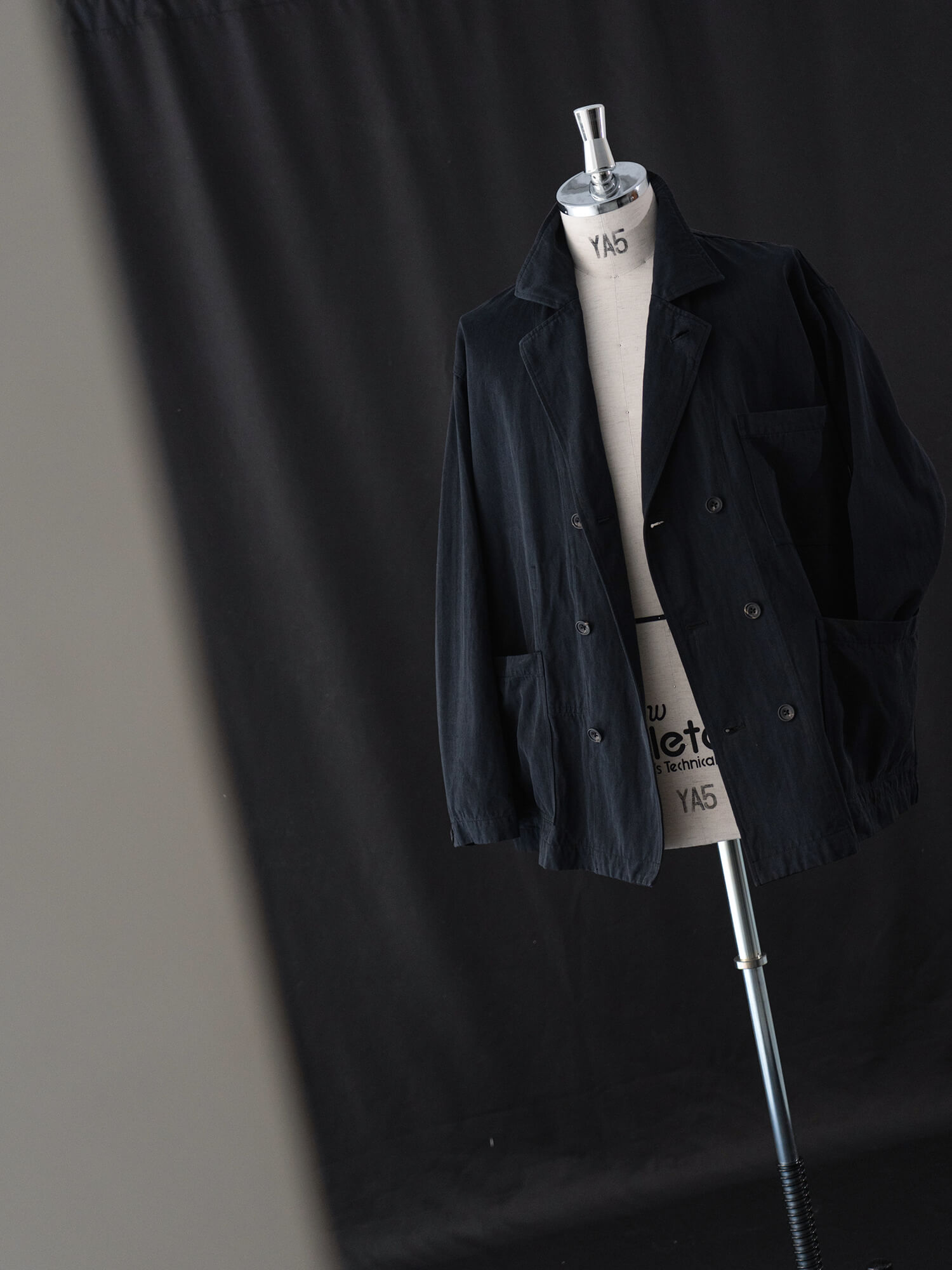
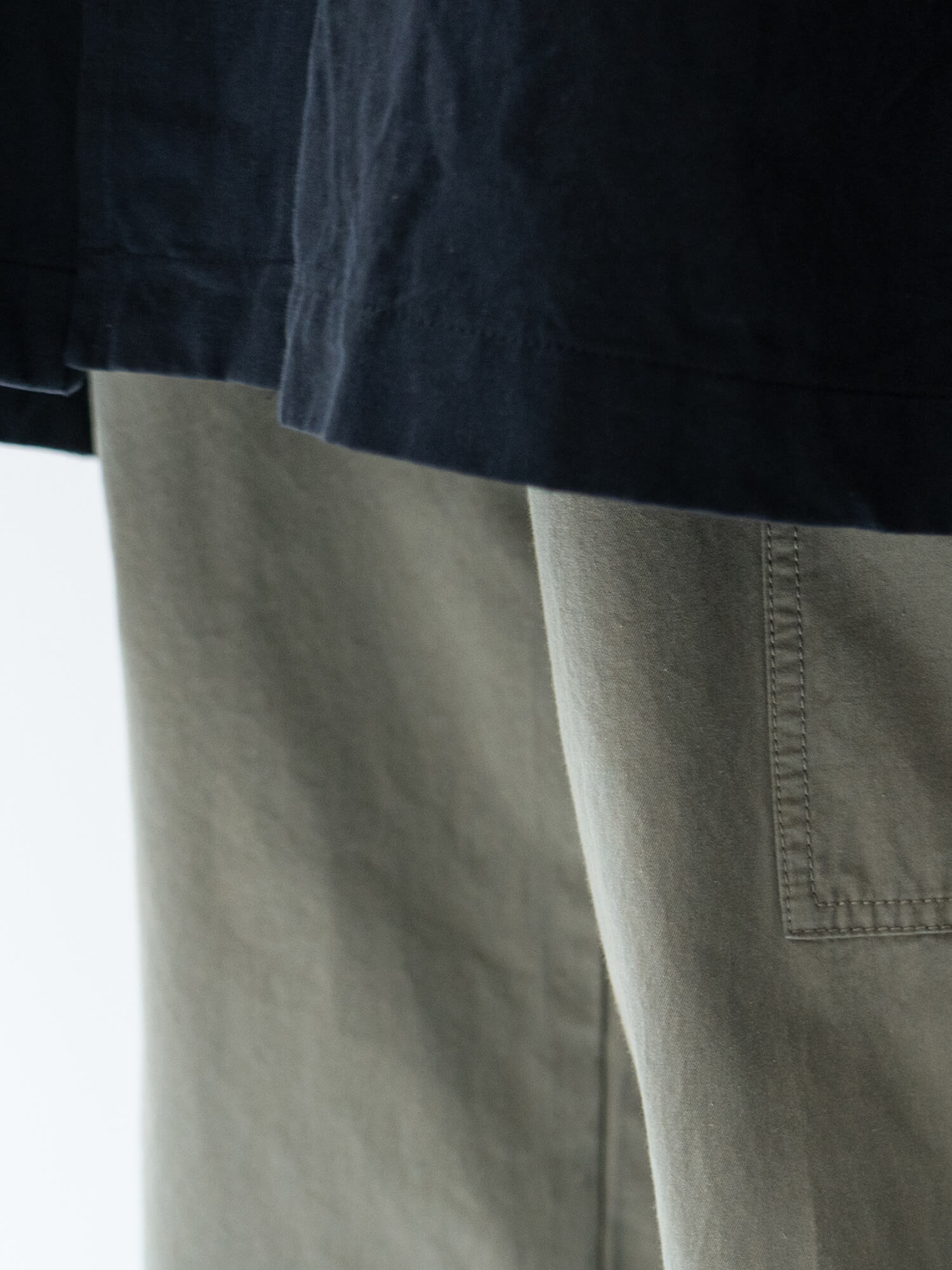
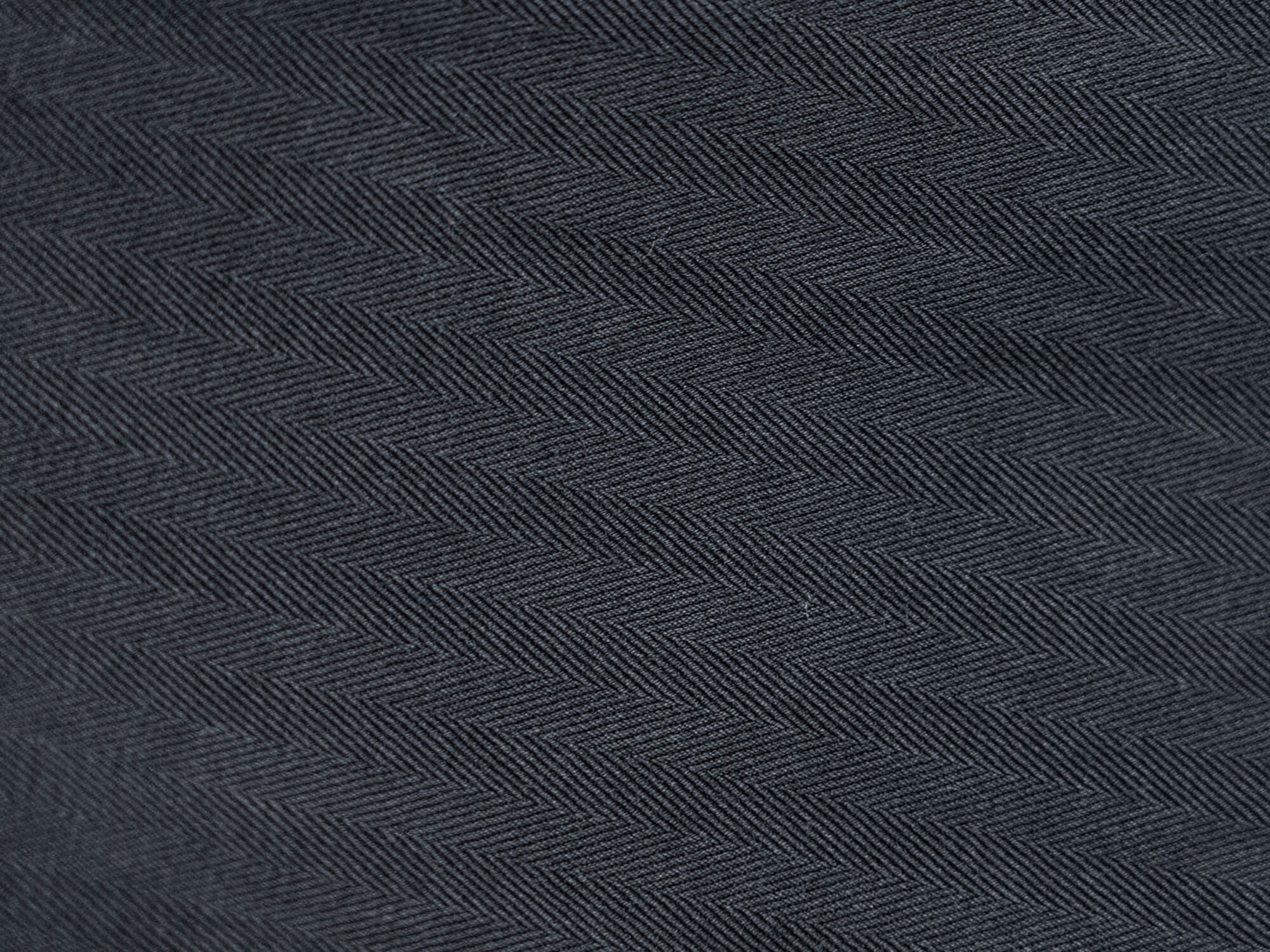
An original herringbone fabric developed for CONFECT. The warp uses triple-twisted compact yarn for a dense, clean surface, while the weft combines linen and cotton-silk to increase the linen ratio. Sulfur-dyed warp and reactive-dyed weft create variations in fading, adding depth over time. Finished with a Nidom bio process, the fabric retains structure while gaining softness and drape.
TWILL FABRIC
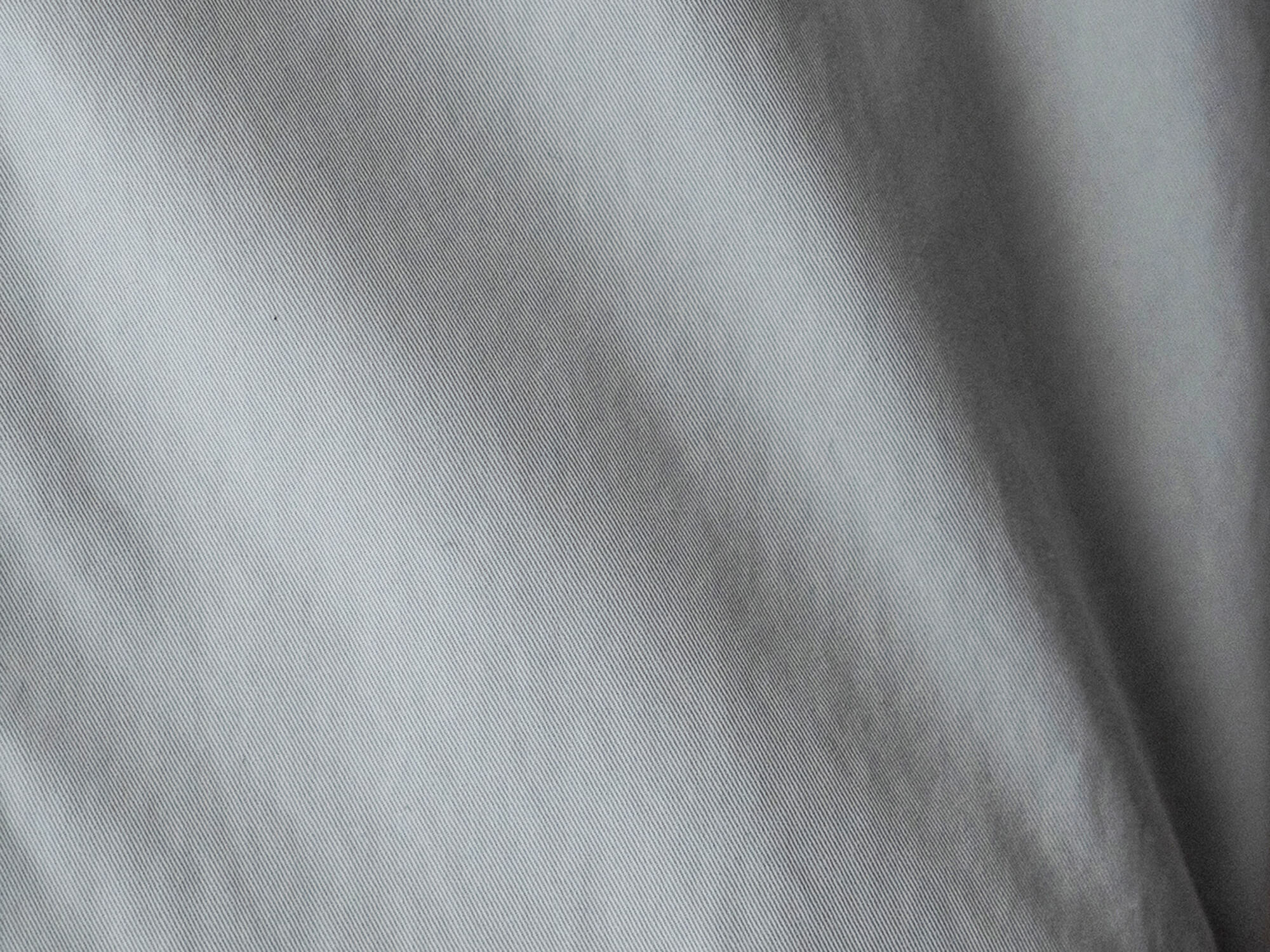
A Supima cotton twill with fiber lengths over 35mm. Light peach brushing introduces a subtle texture, followed by liquid ammonia and Nidom processing to refine the fibers and enhance softness. The finish balances a smooth surface with a natural, relaxed feel.
GABARDINE FABRIC
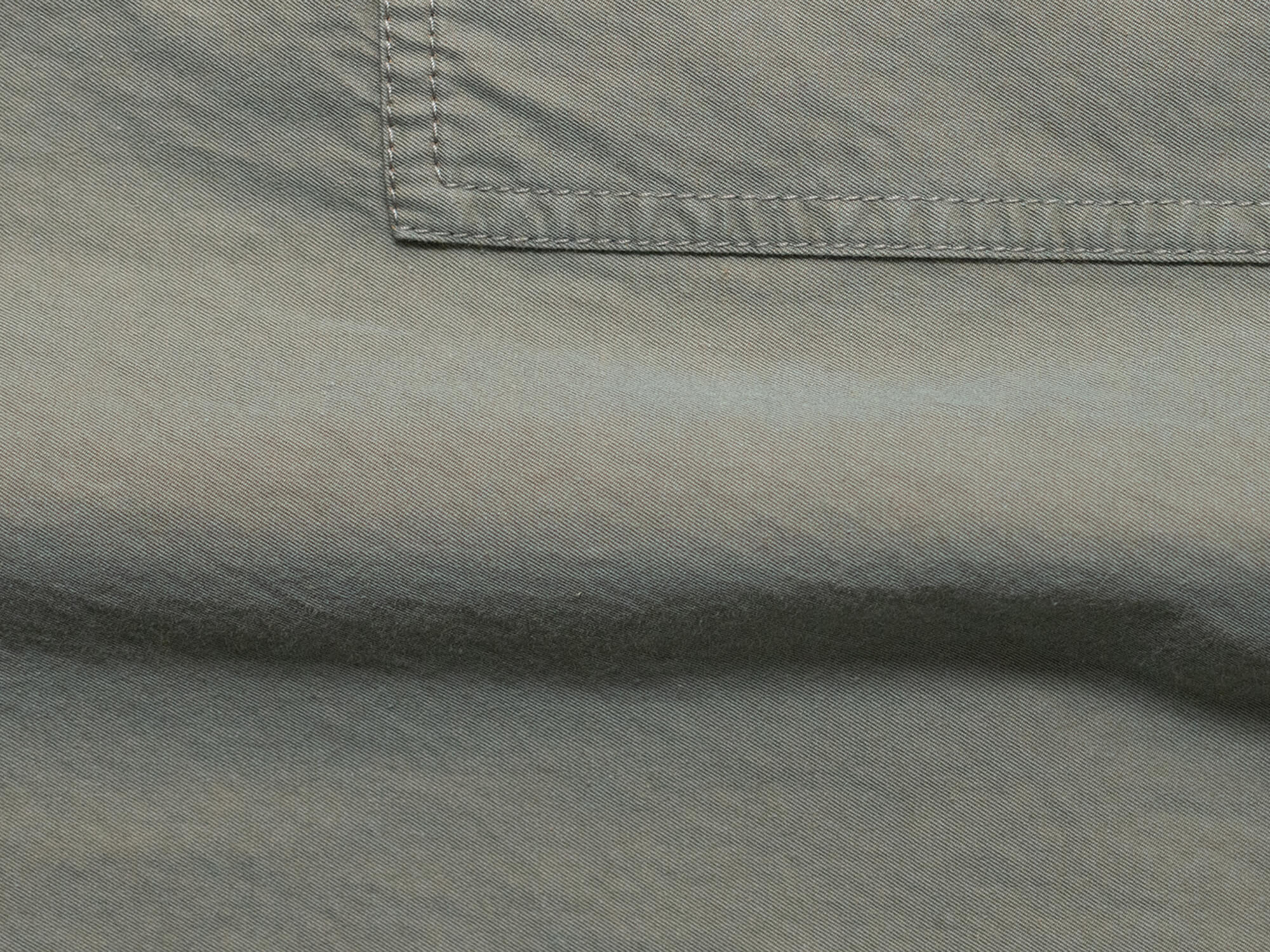
A high-density cotton gabardine woven in Hamamatsu. The fabric uses chambray construction, combining muted warp tones with brighter weft colors, creating subtle depth beneath the surface. While gabardine typically has a firm structure and a refined sheen, this fabric undergoes extended Nidom processing and washer finishing to introduce softness and a more relaxed character. The result is a fabric that balances structure with a worn-in, natural texture.
PROCESS
The Nidom process involves extended washing with mechanical movement. It softens high-density fabric while maintaining its structure, creating natural drape and surface variation. Rather than a final step, it functions as part of the material’s development.
GARMENTS
The materials are shaped into five garments, each designed to reflect their characteristics. Silhouettes and details allow the fabric’s movement and texture to emerge, evolving further with wear.
Nidom Finished Herringborn
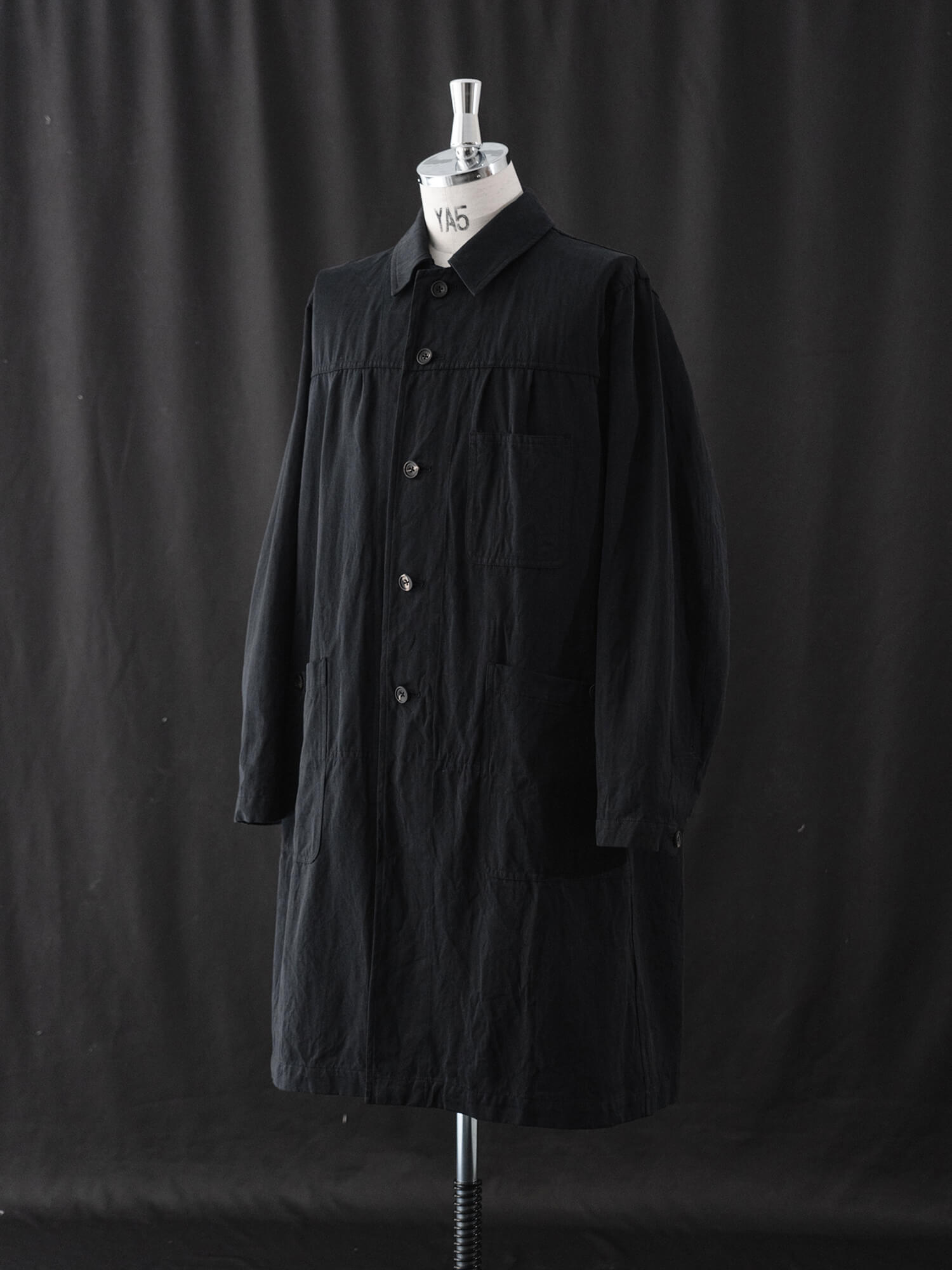
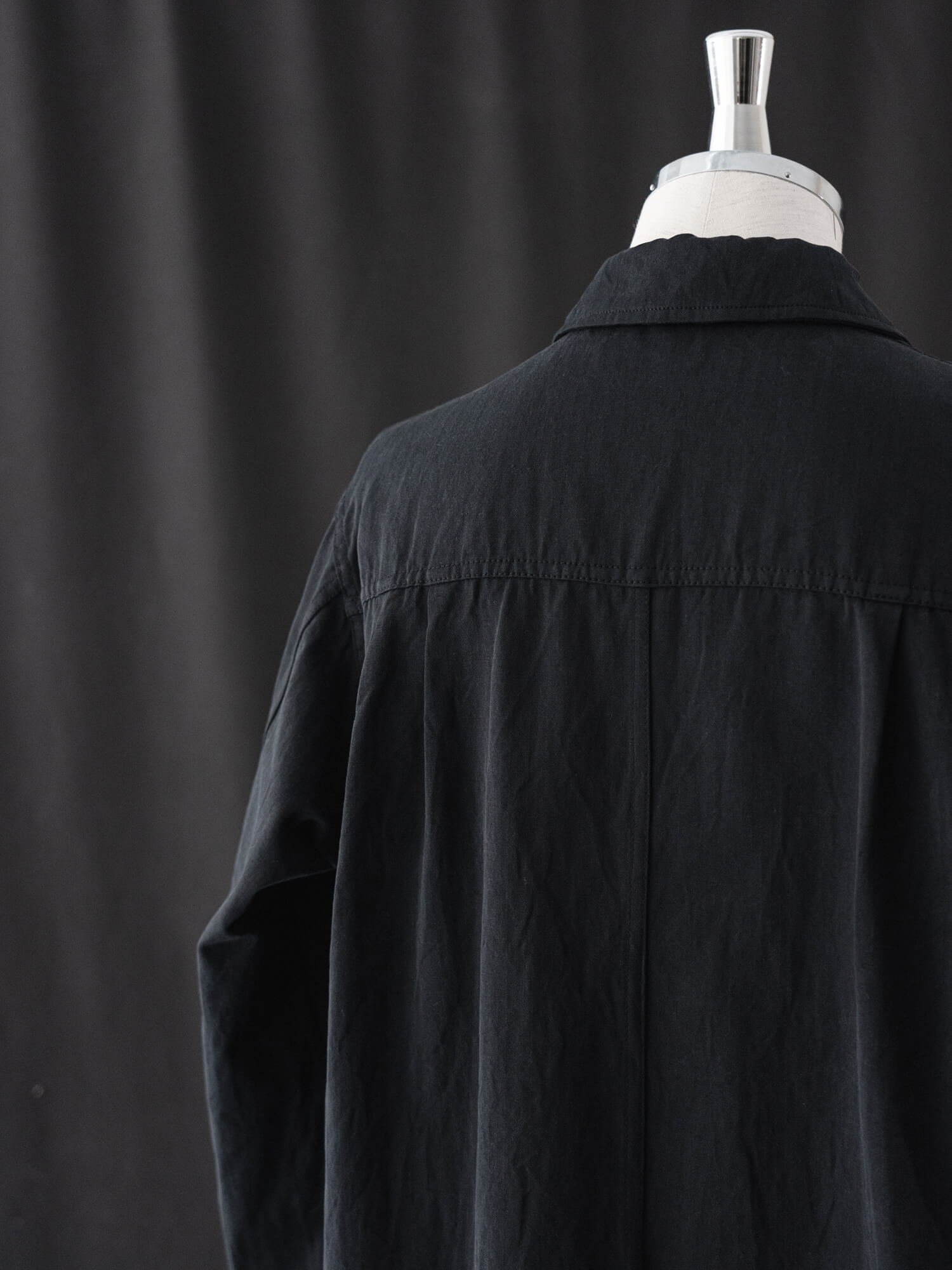
Nidom Finished Herringborn Atelier Coat
style no : 02261-0001
size : 3,4
price : ¥81,400 taxin
→ Online Shop
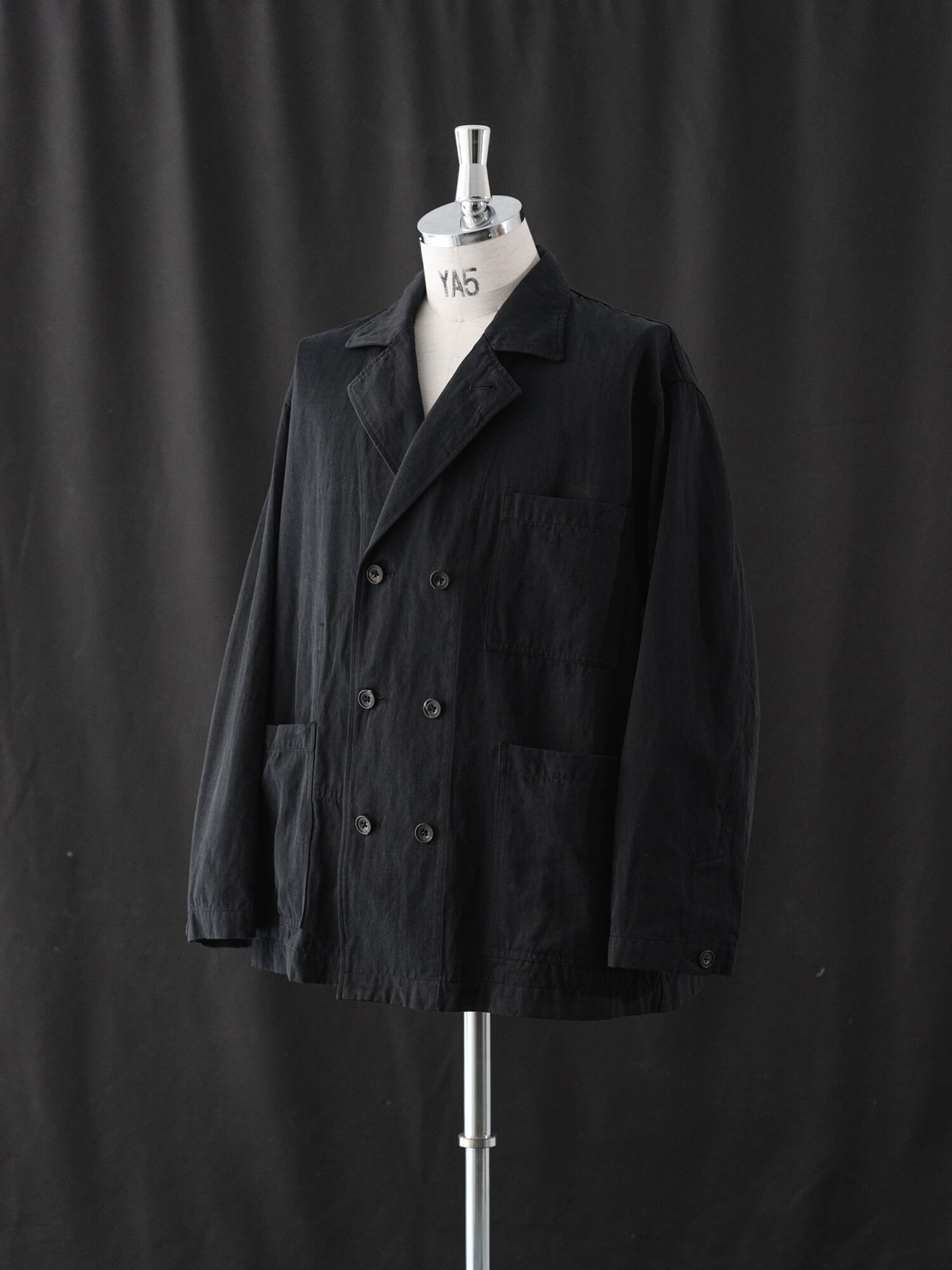
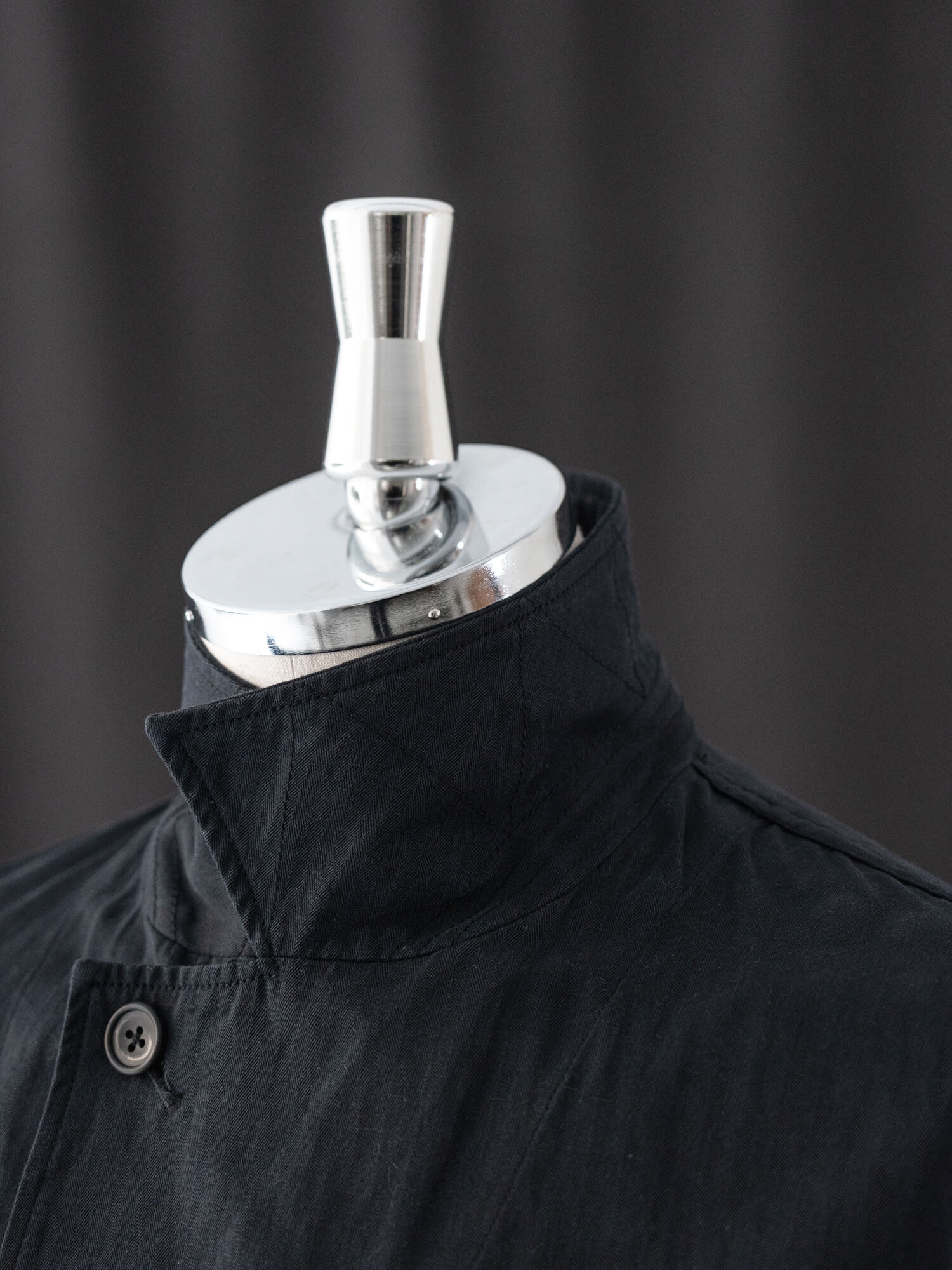
Nidom Finished Herringborn Double Breasted Work Jacket
style no : 02261-0002
size : 3,4,5
price : ¥69,300 taxin
→ Online Shop
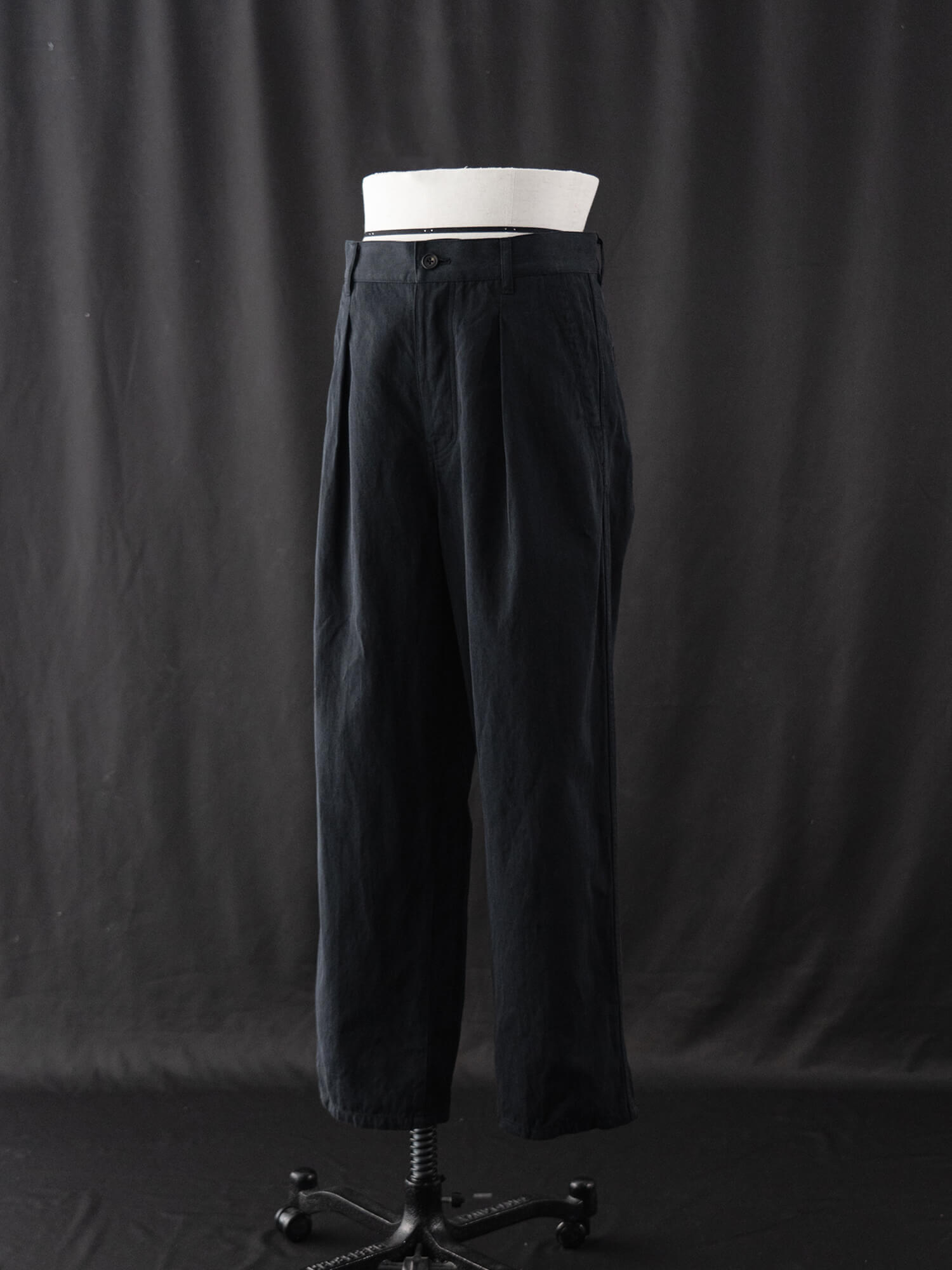
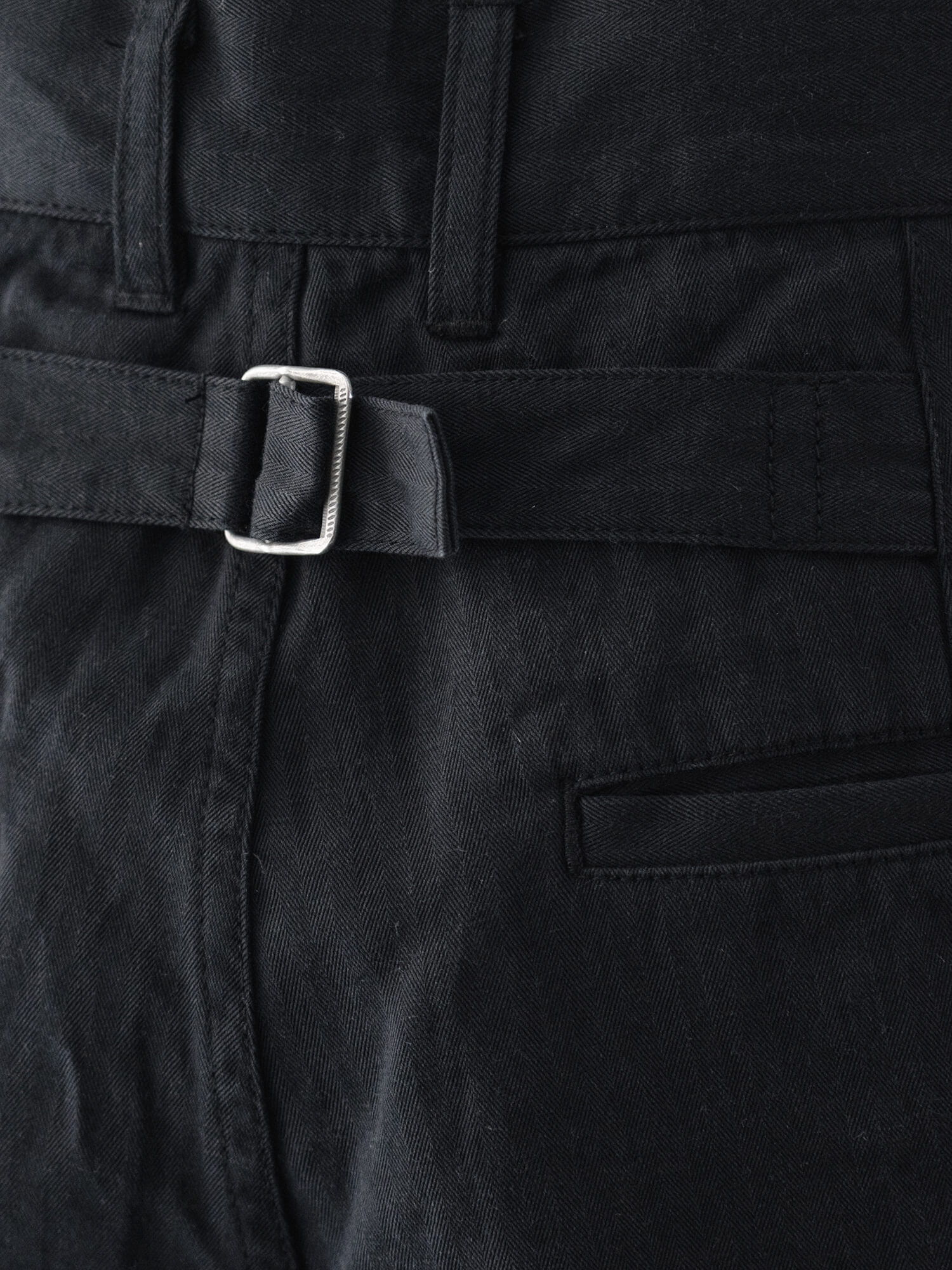
Nidom Finished Herringborn Work Trousers
style no : 02261-0003
size : 3,4,5
price : ¥47,300 taxin
→ Online Shop
Nidom Finished TWILL
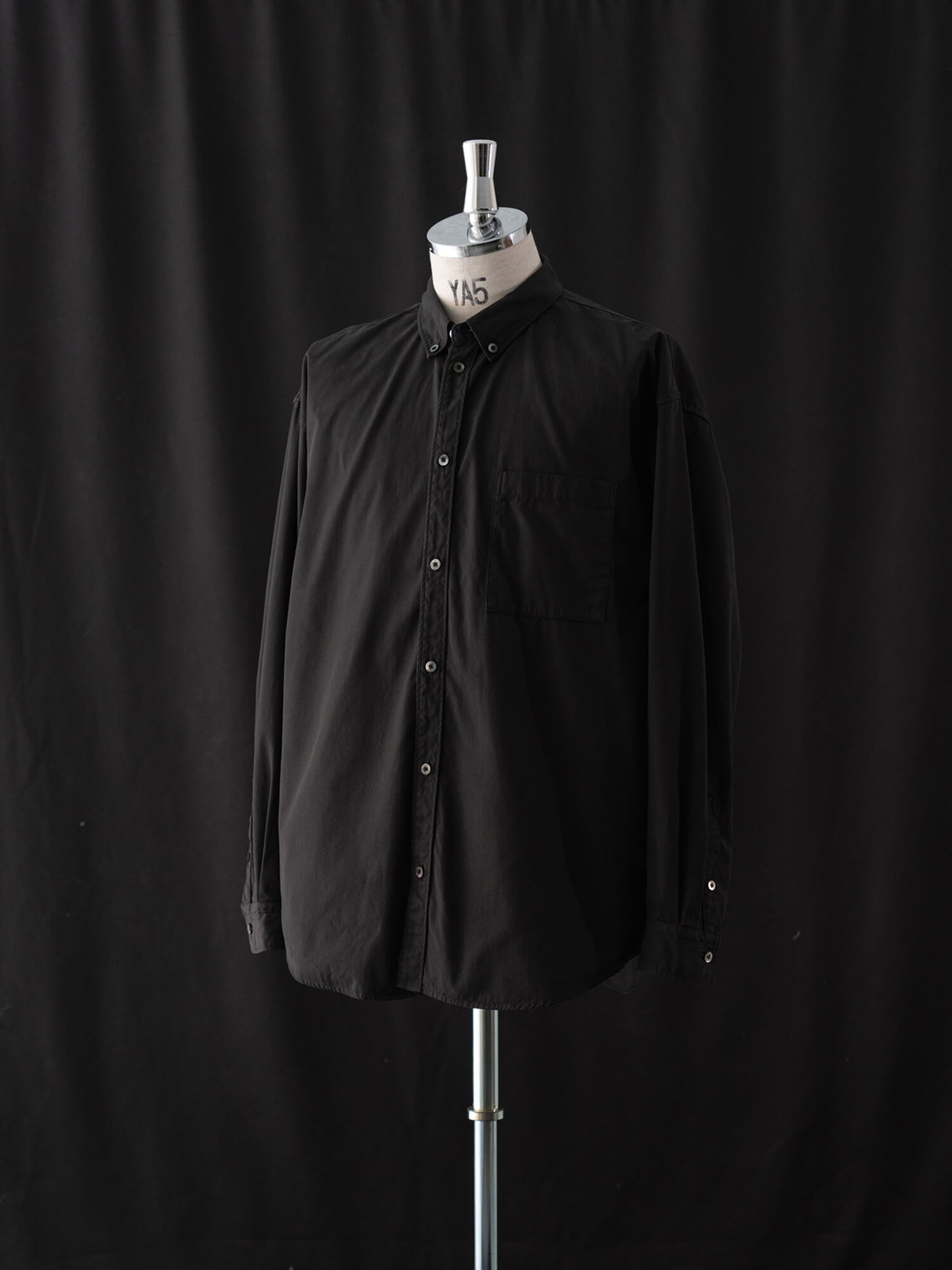
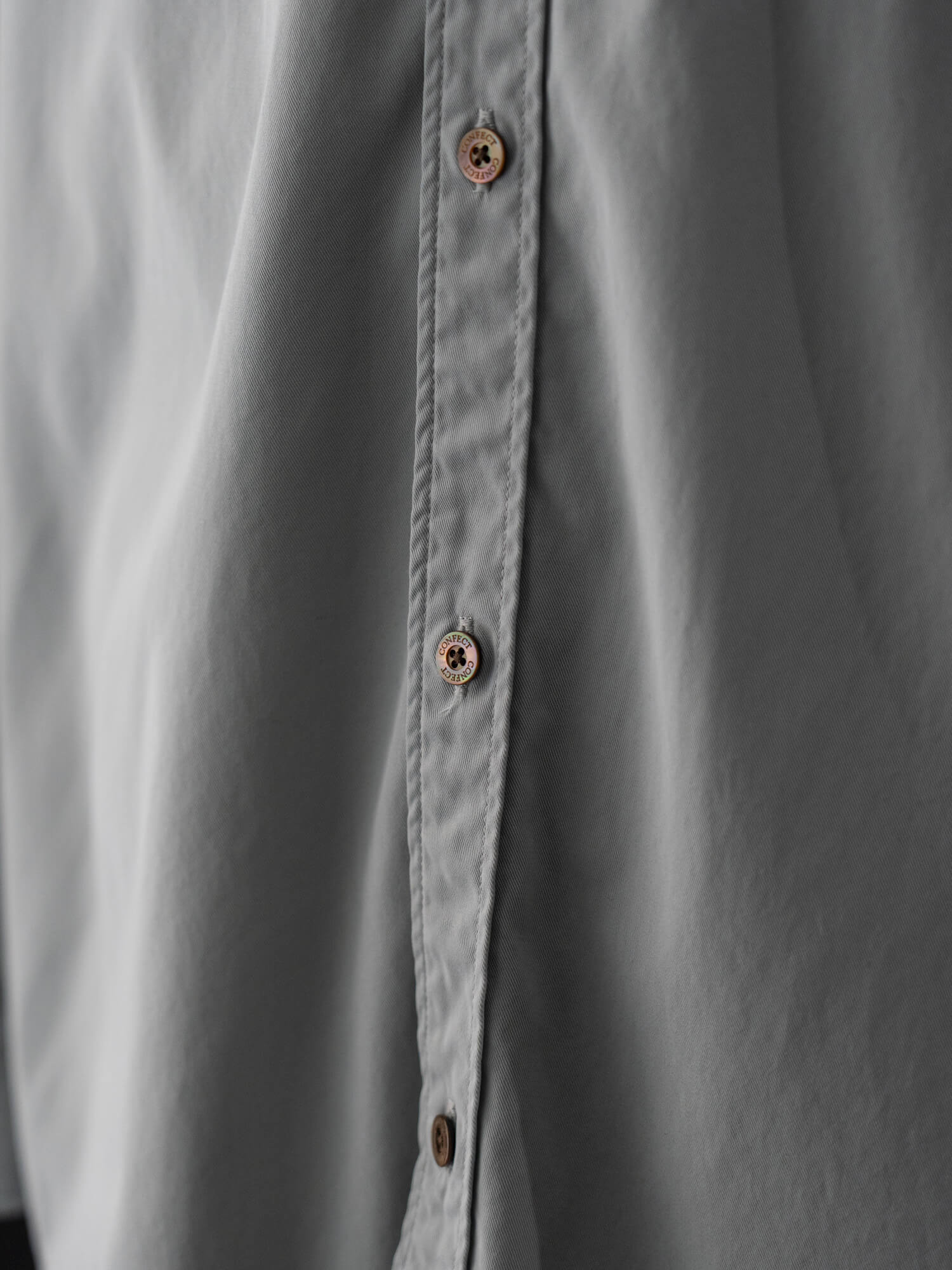
Nidom Finished Twill Button Down Shirt
style no : 02261-0014
size : 3,4,5
price : ¥33,000 taxin
→ Online Shop
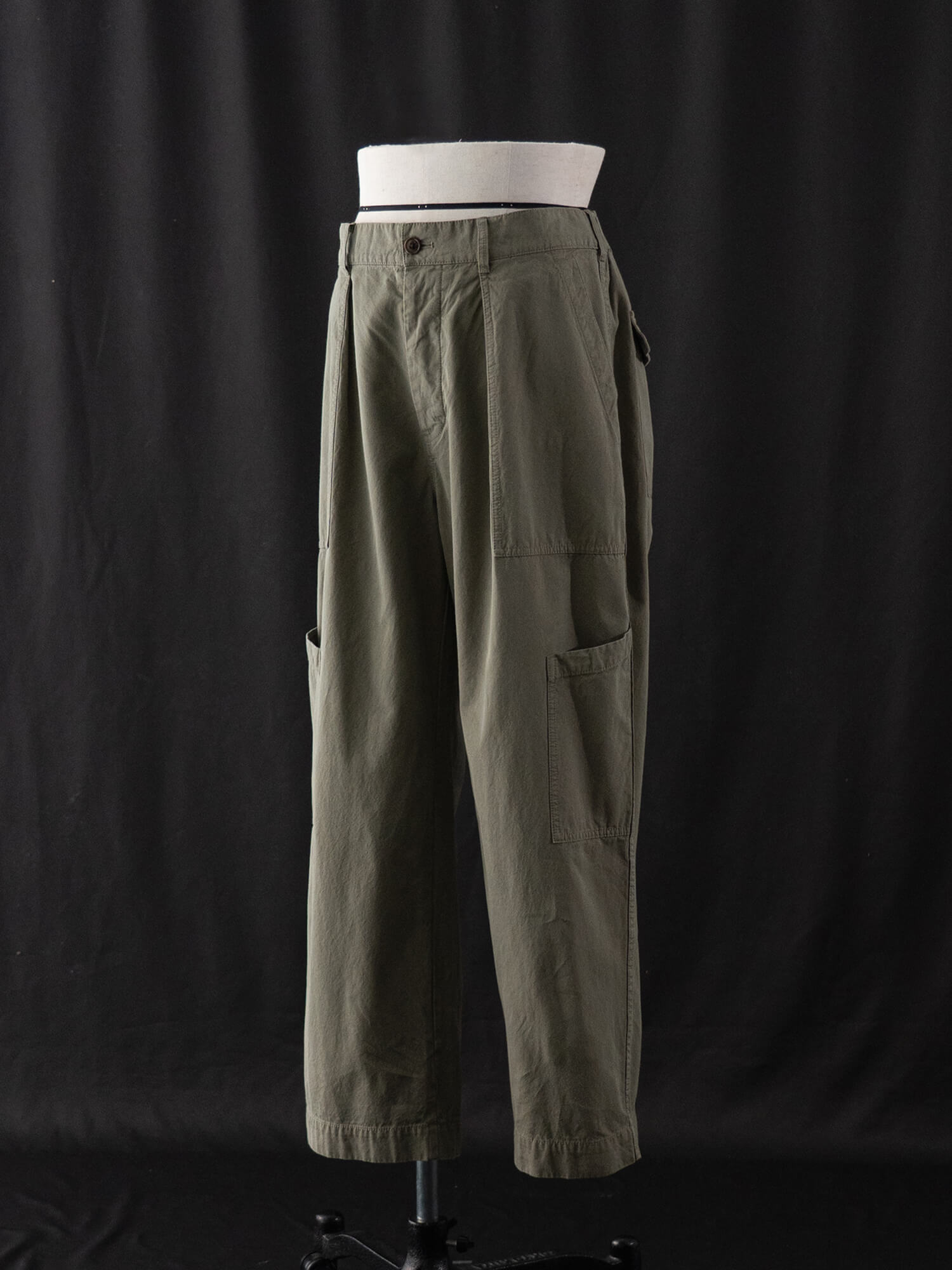
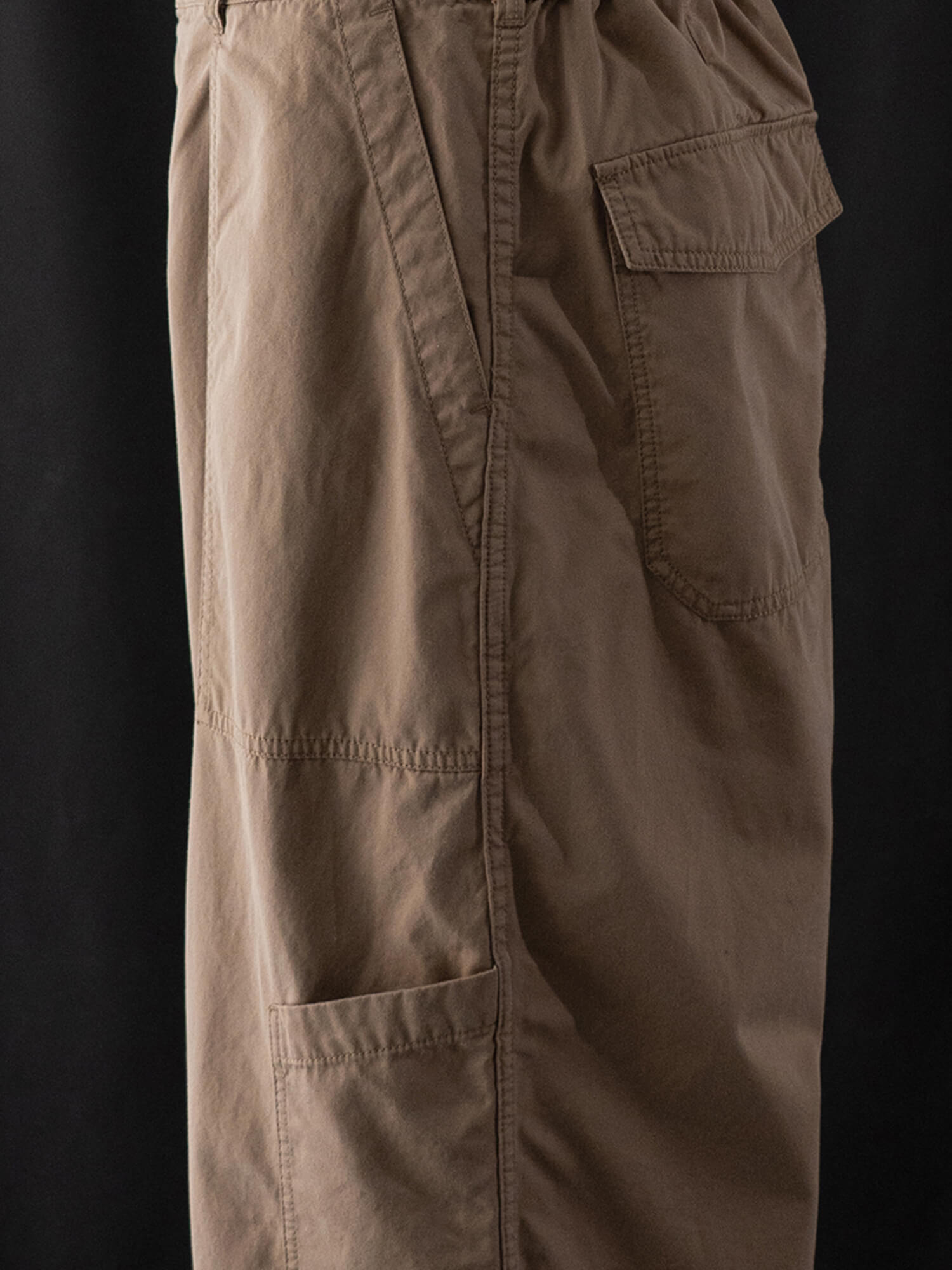
Nidom Finished Gabardine Utility Pants
style no : 02261-0030
size : 3,4
price : ¥44,000 taxin
→ Online Shop
STYLING
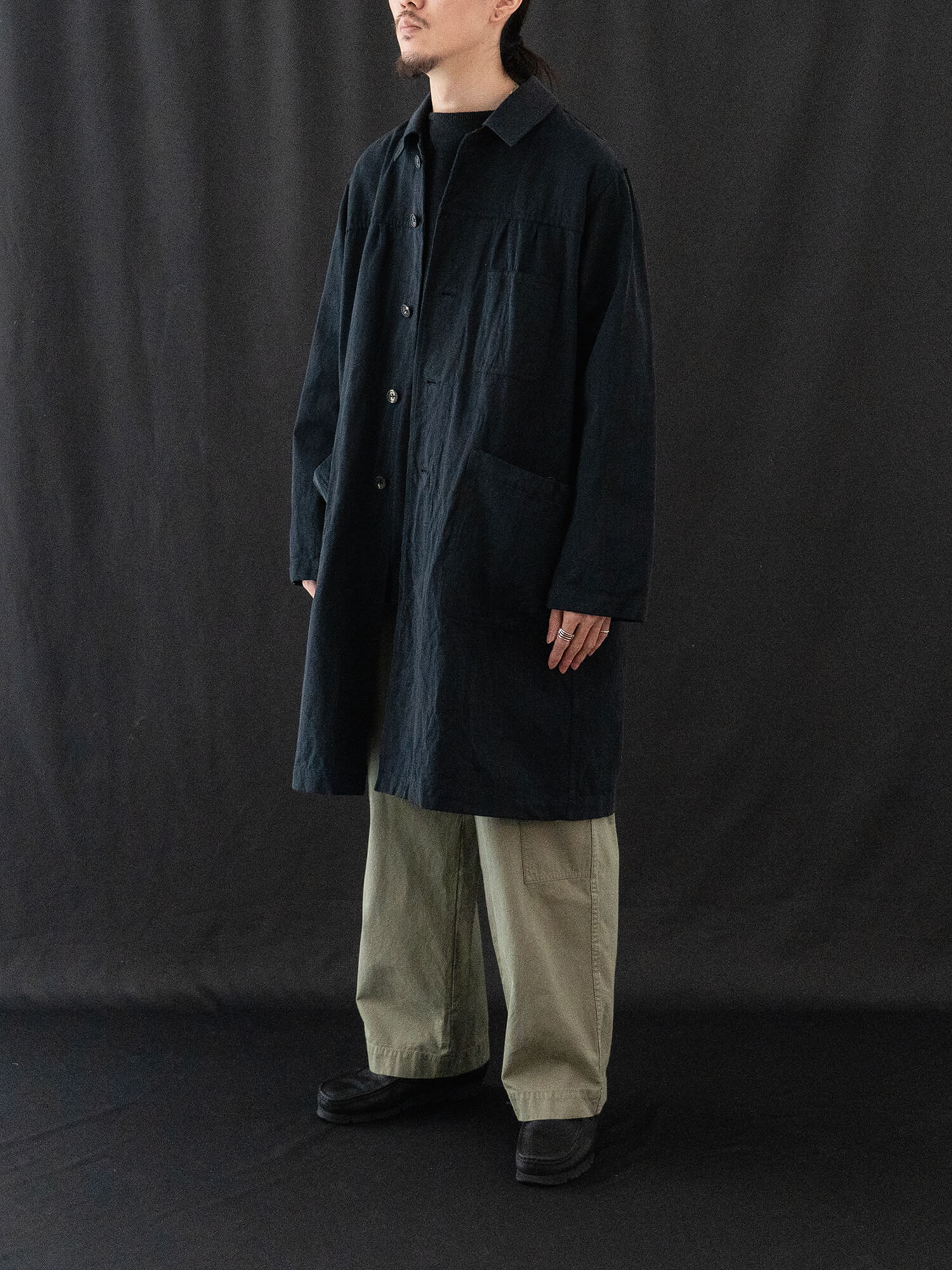
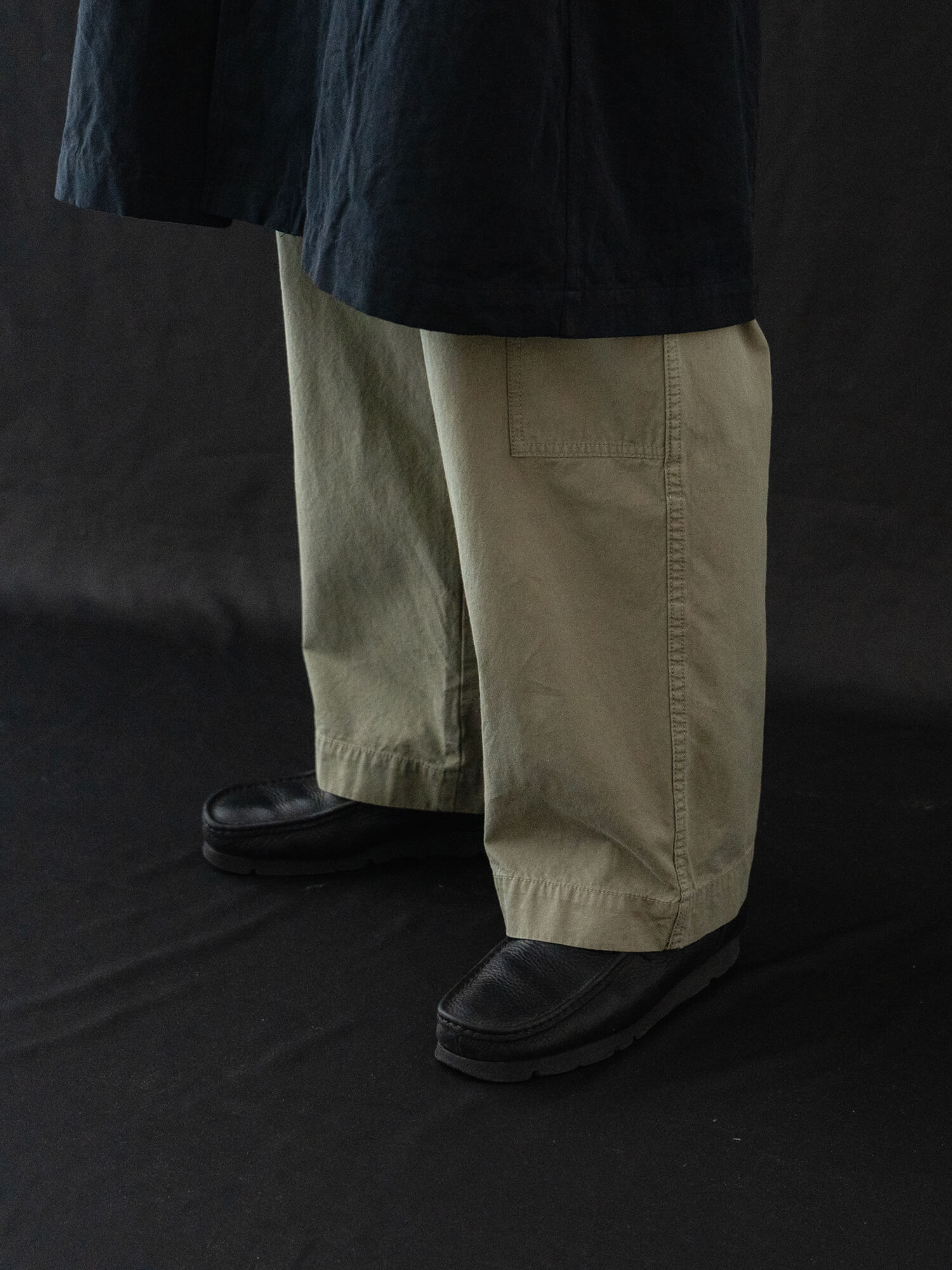
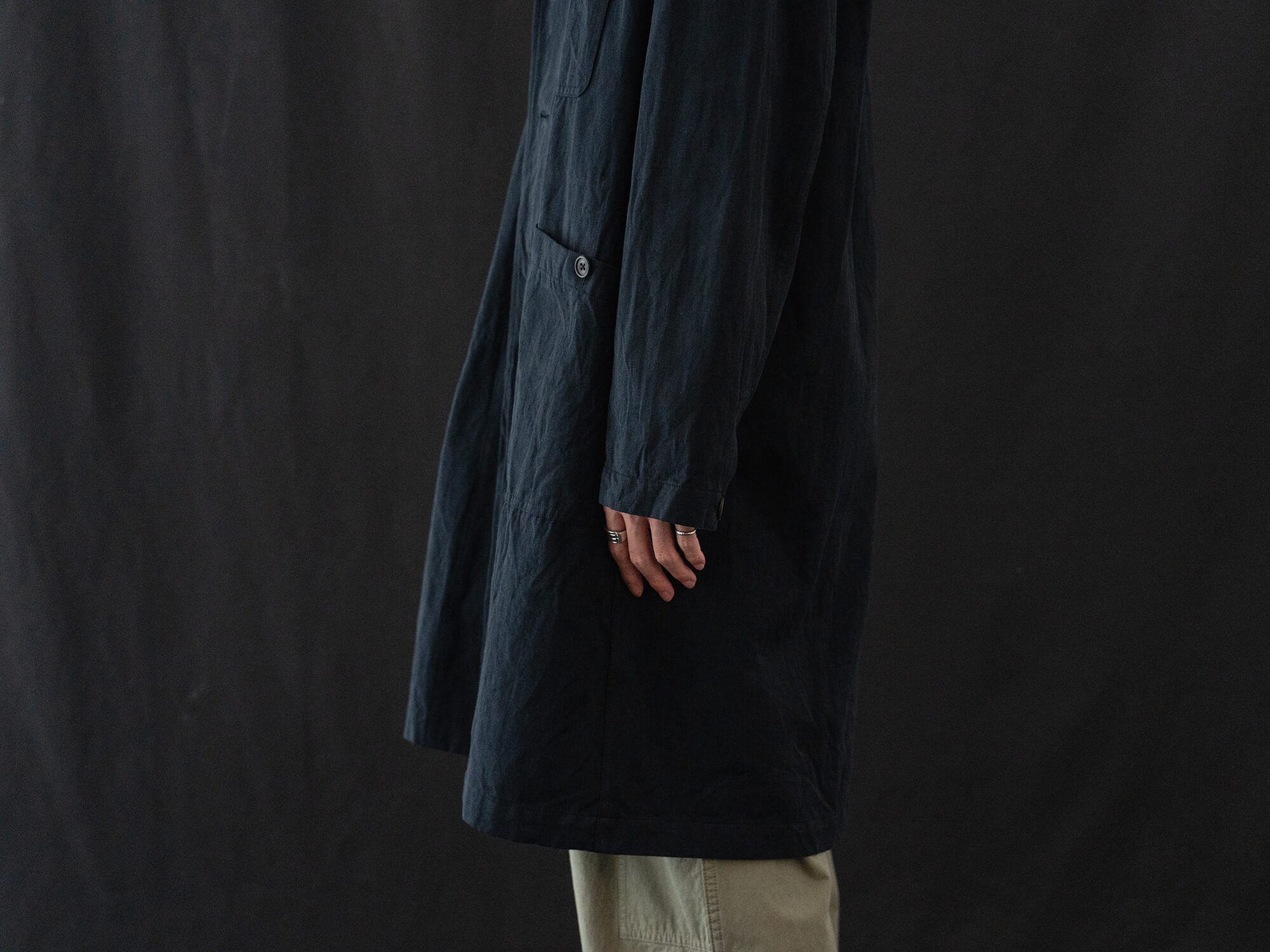
COAT - Nidom Finished Herringborn Atelier Coat
KNIT - Naturally Colored Linen Stripe Easy Fit Pants
TROUSERS - Nidom Finished Gabardine Utility Pants
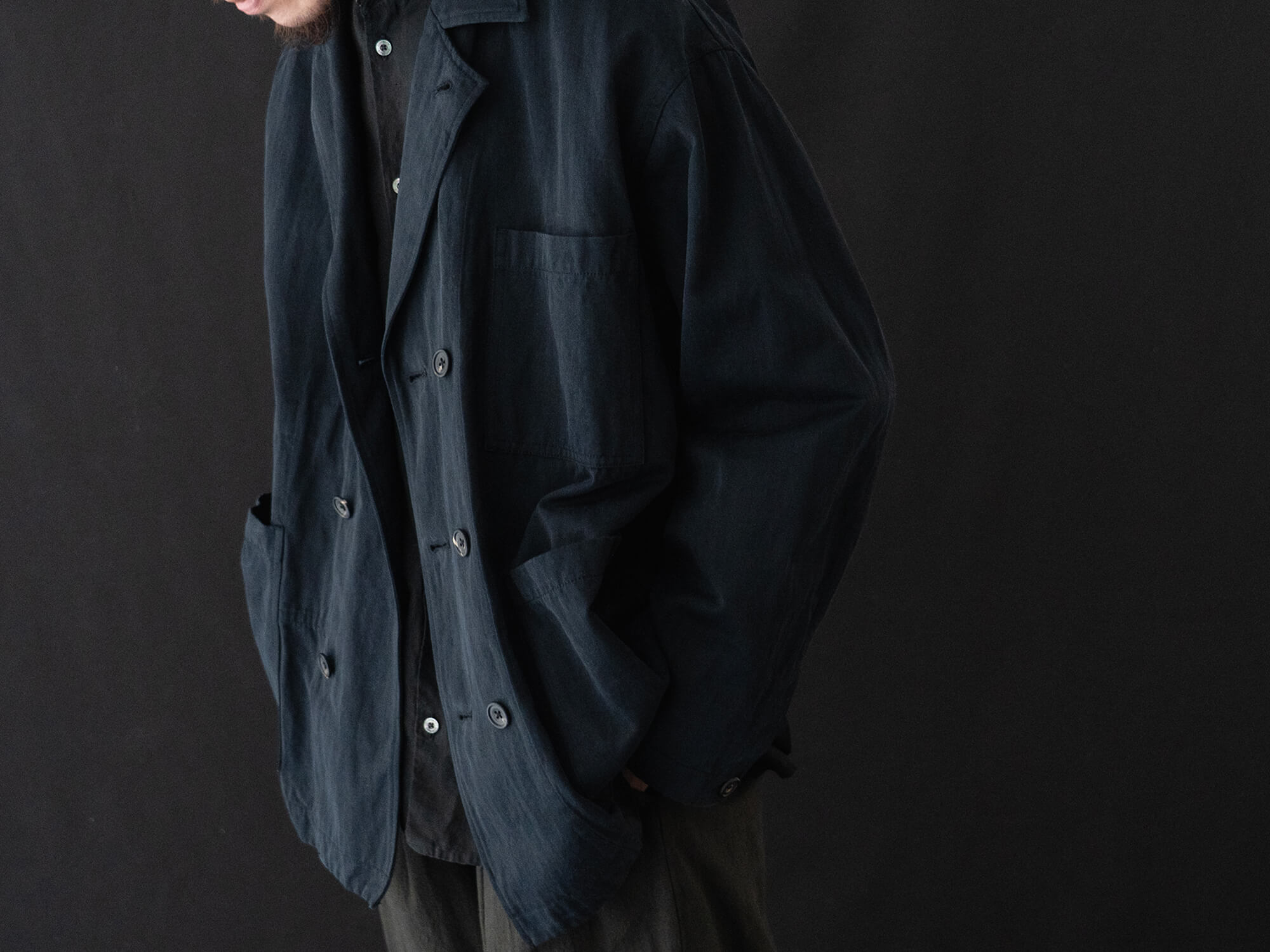
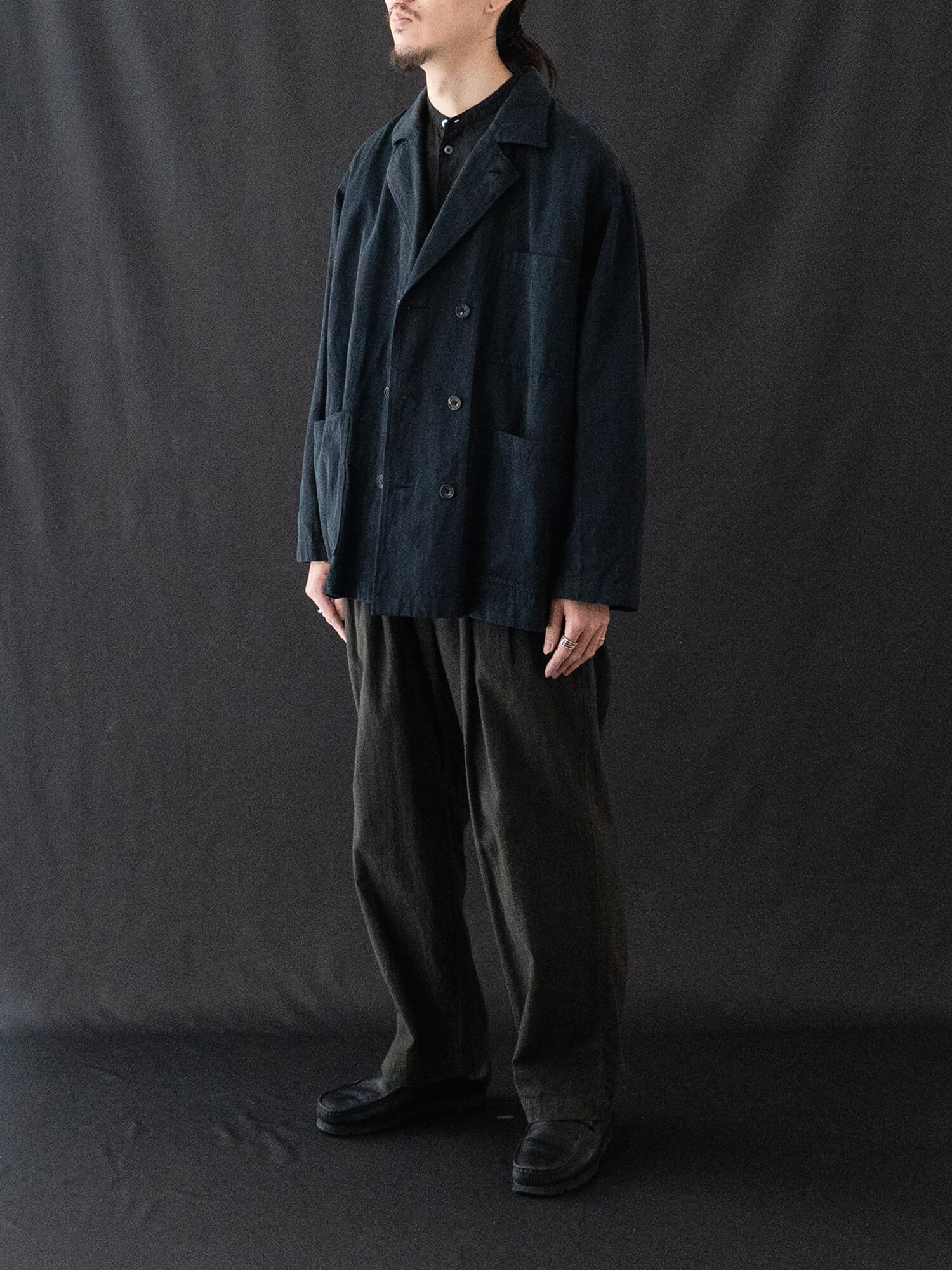
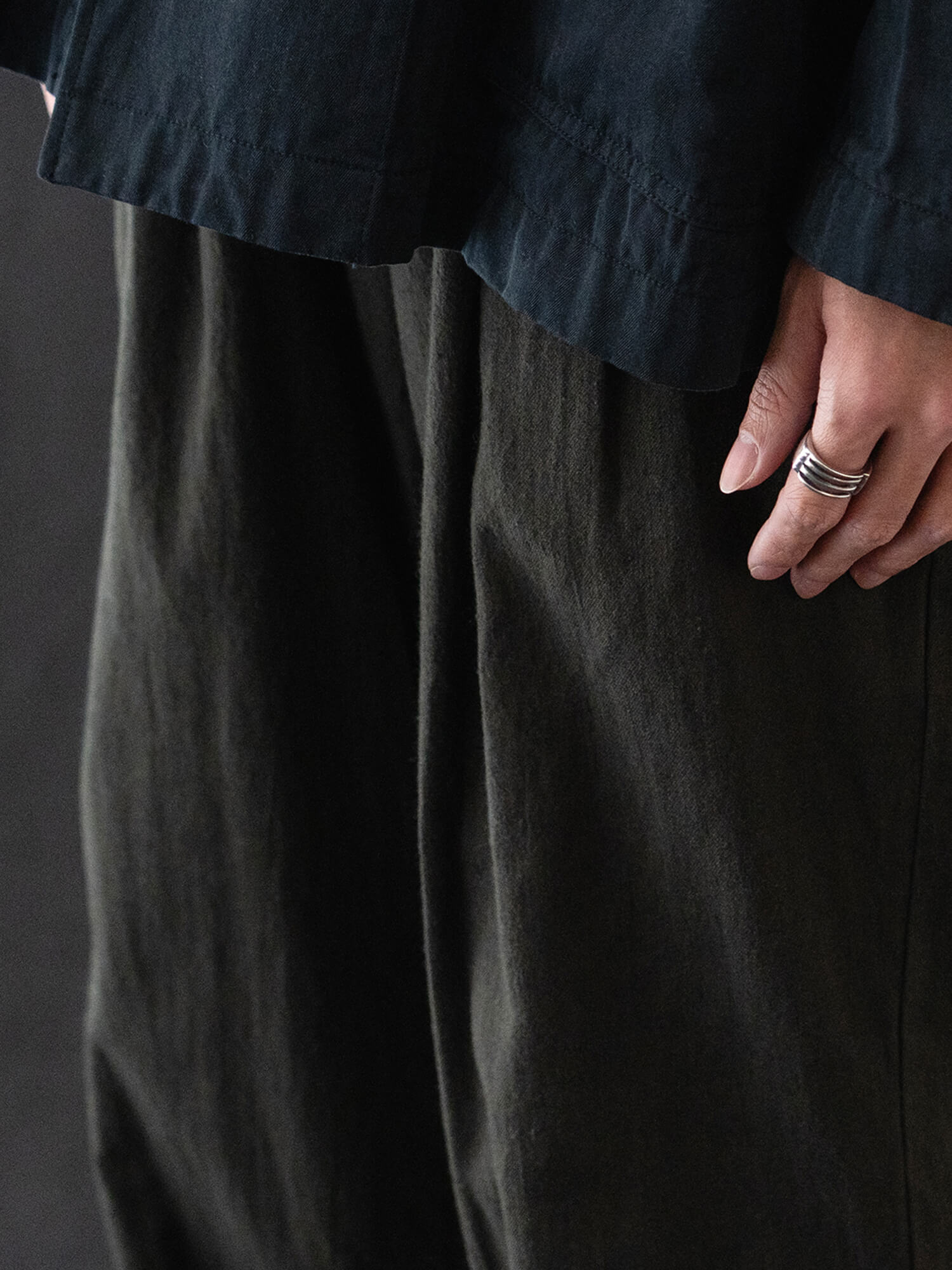
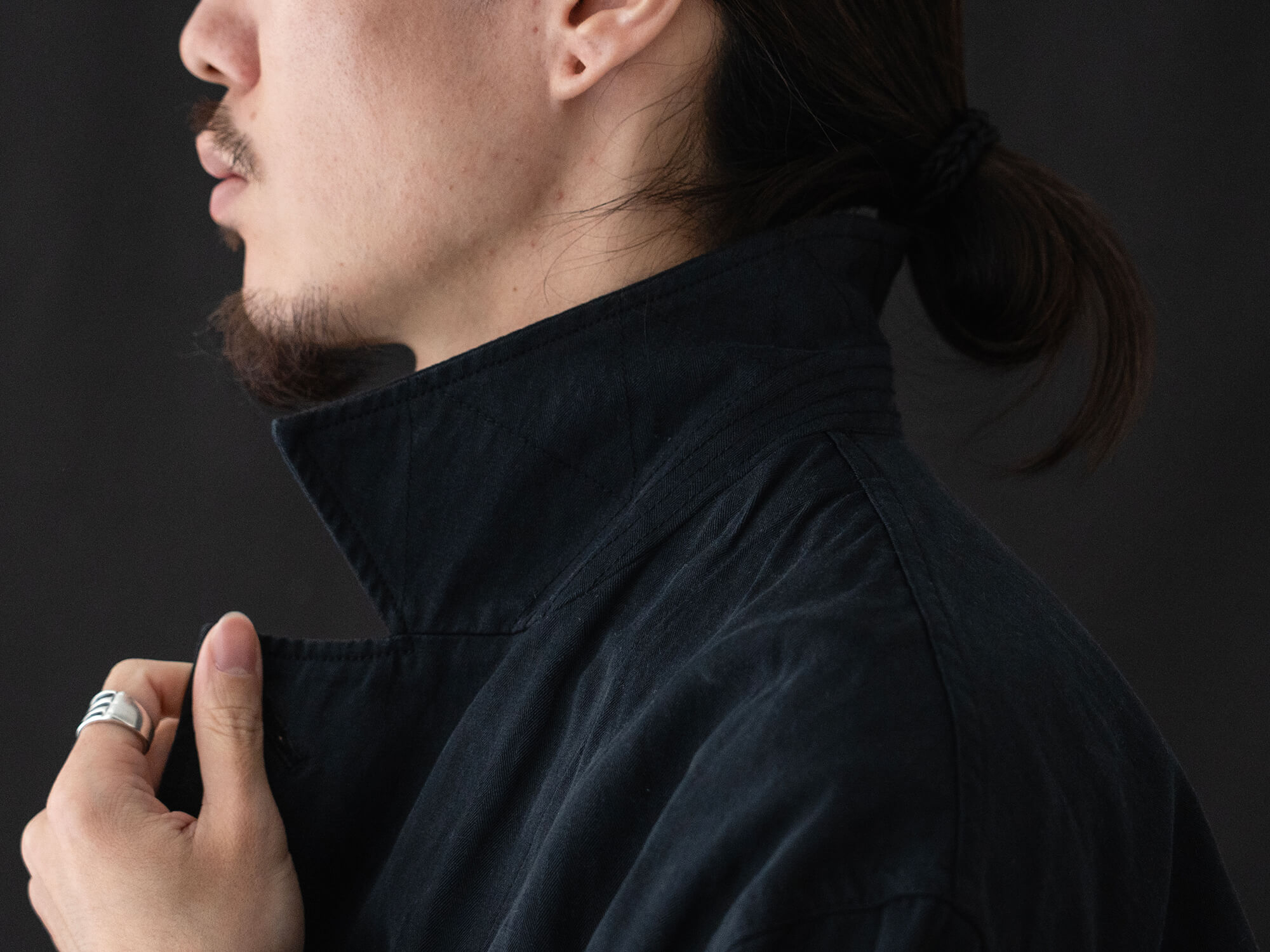
JACKET - Nidom Finished Herringborn Double Breasted Work Jacket
SHIRT - High Count Linen Band Coller Shirt
TROUSERS - Cotton Linen Nep Chambray Twill Easy Trousers
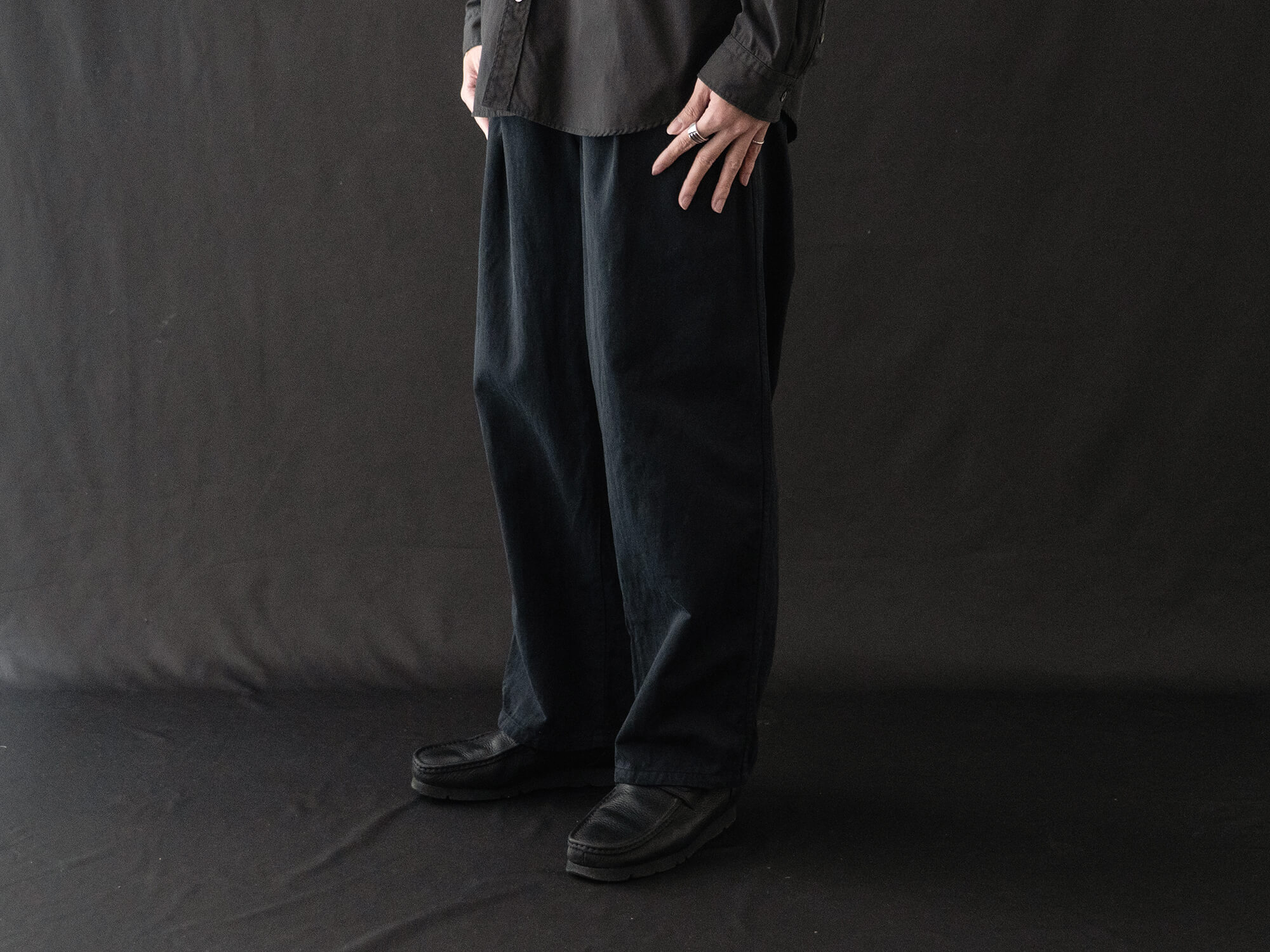
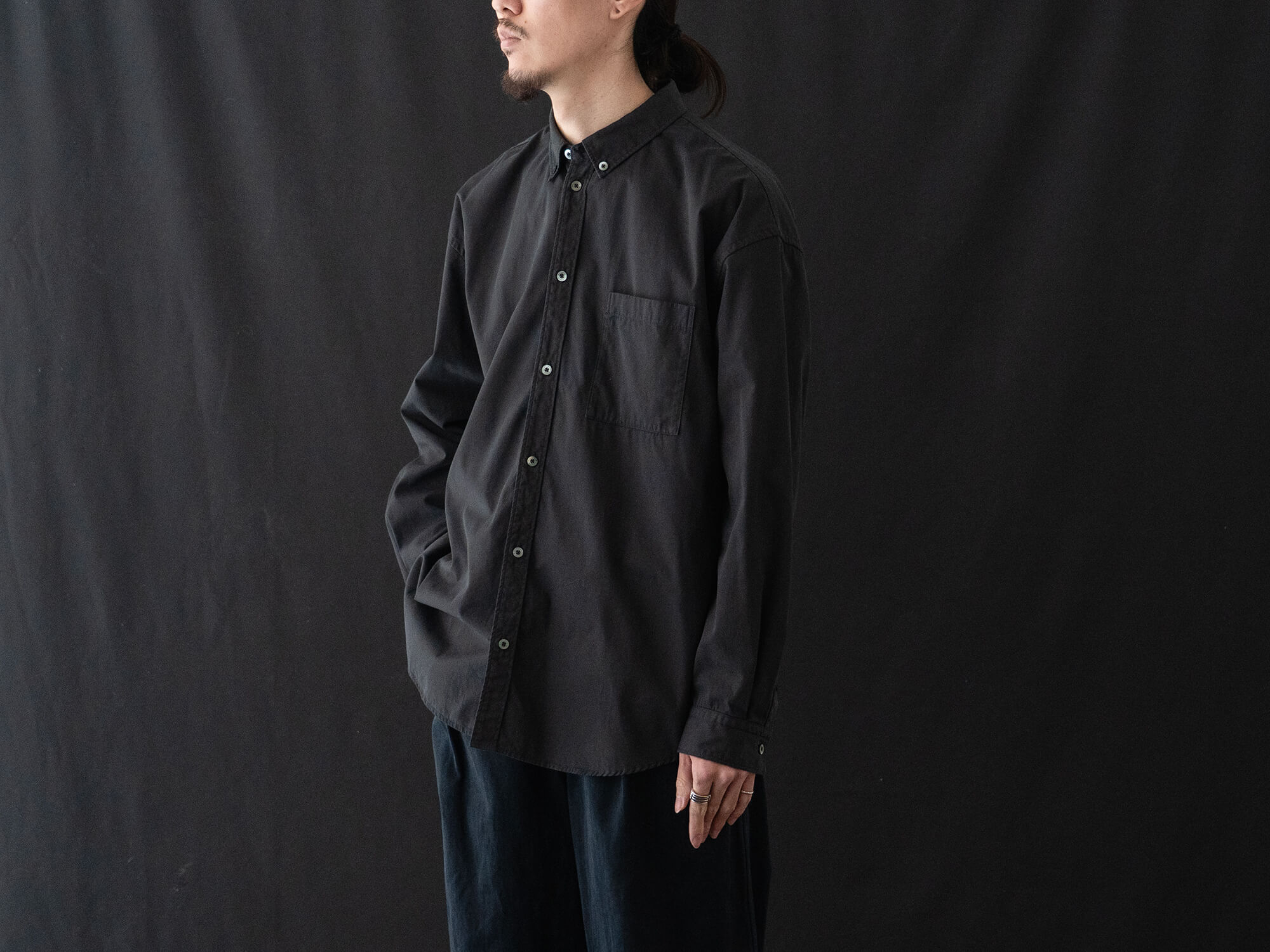
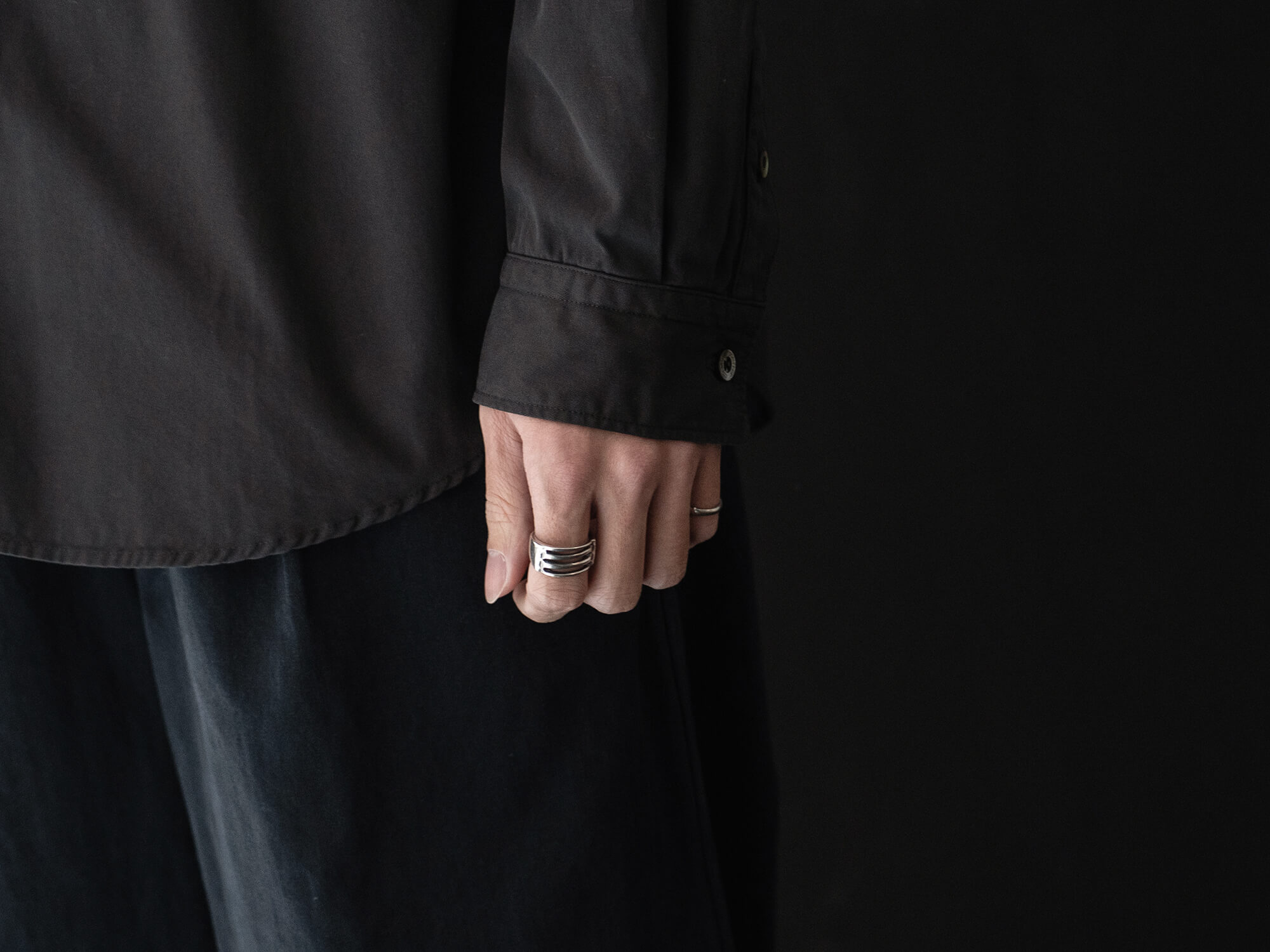
SHIRT - Nidom Finished Twill Button Down Shirt
TROUSERS - Nidom Finished Herringborn Work Trousers
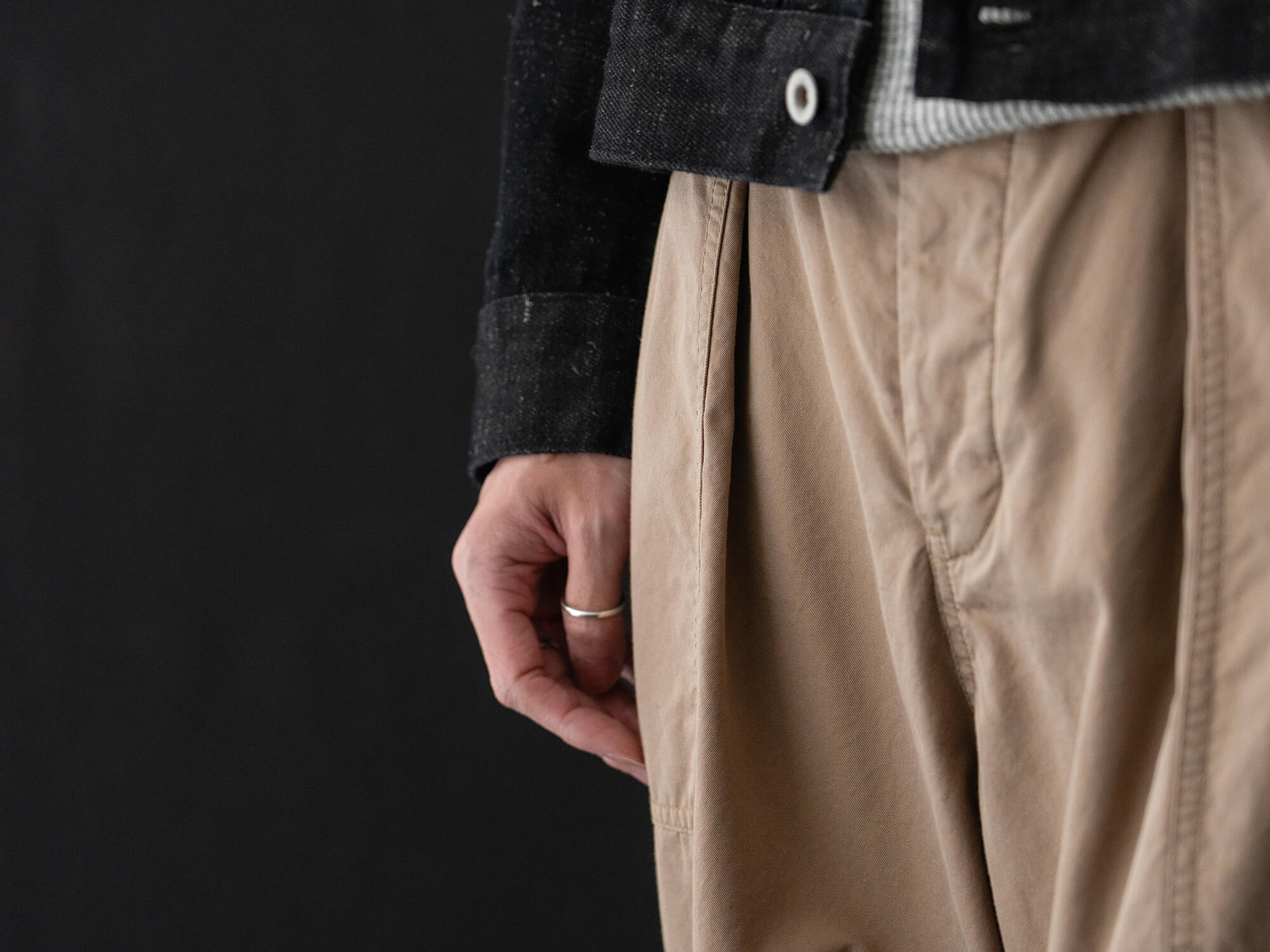
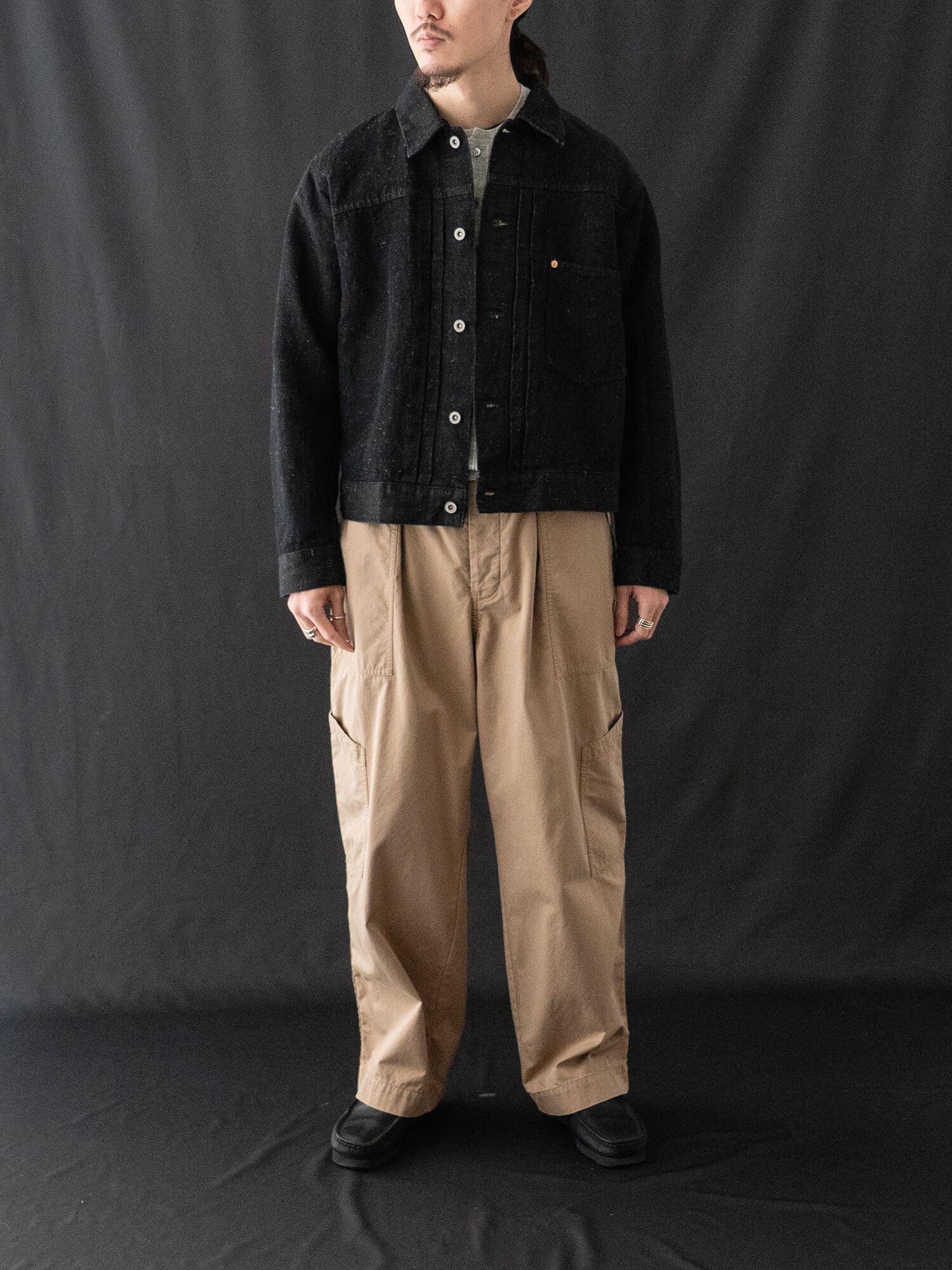
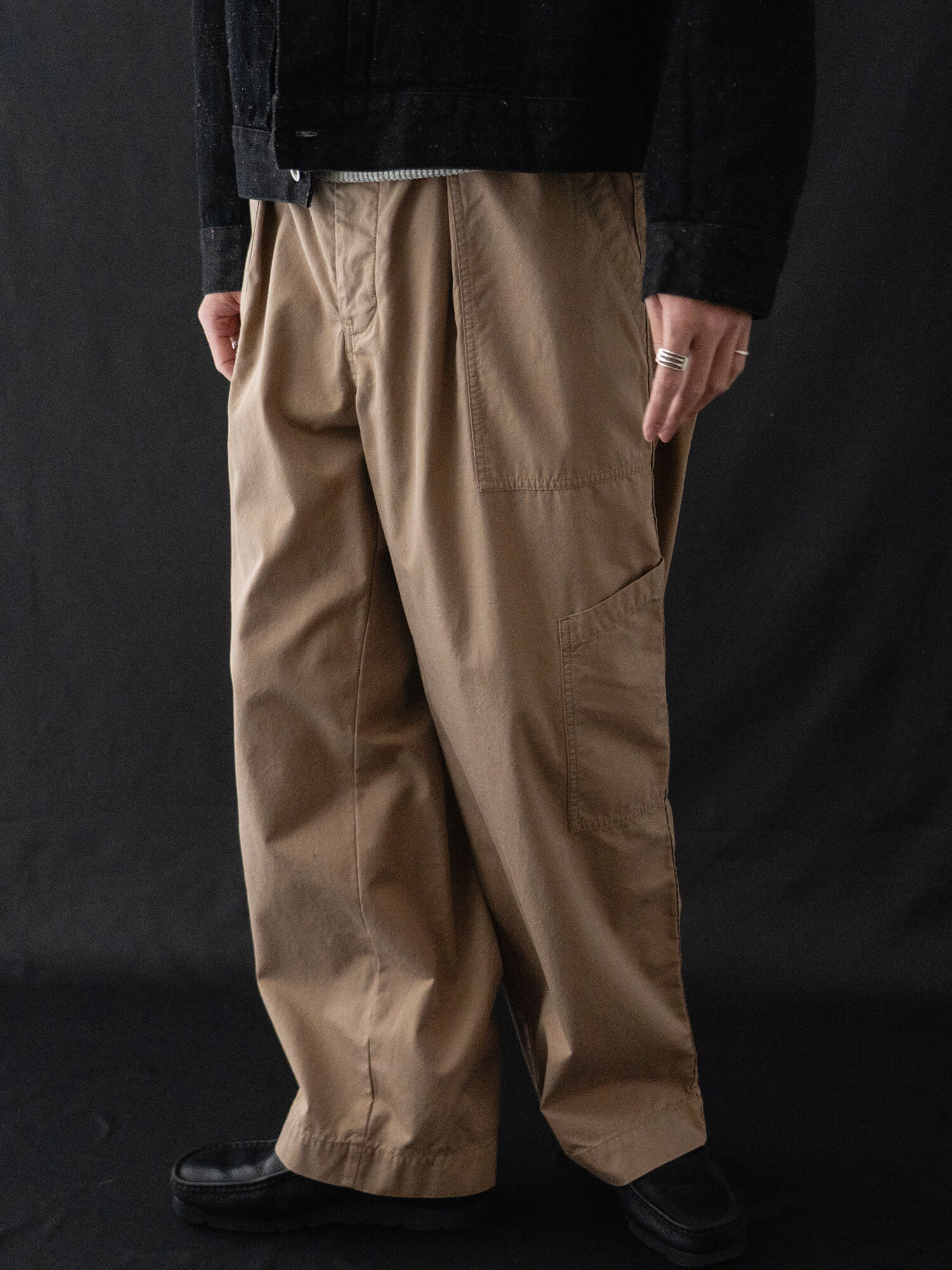
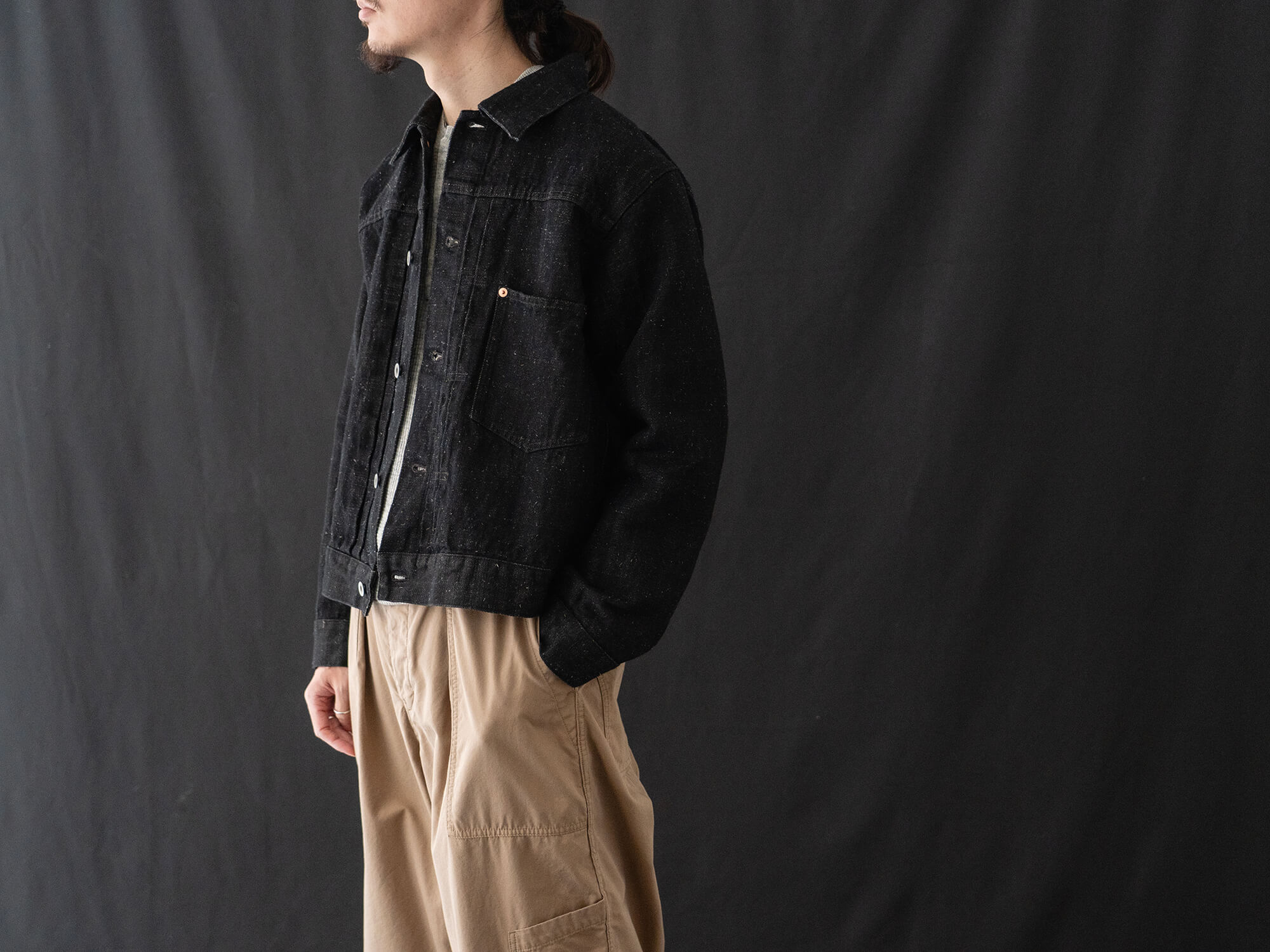
JACKET - Cotton Hemp Denim Jacket
SHIRT - Cotton Waffle Henry Neck Short Sleeve Knit Pullover
TROUSERS - Naturally Colored Linen Stripe Easy Fit Pants
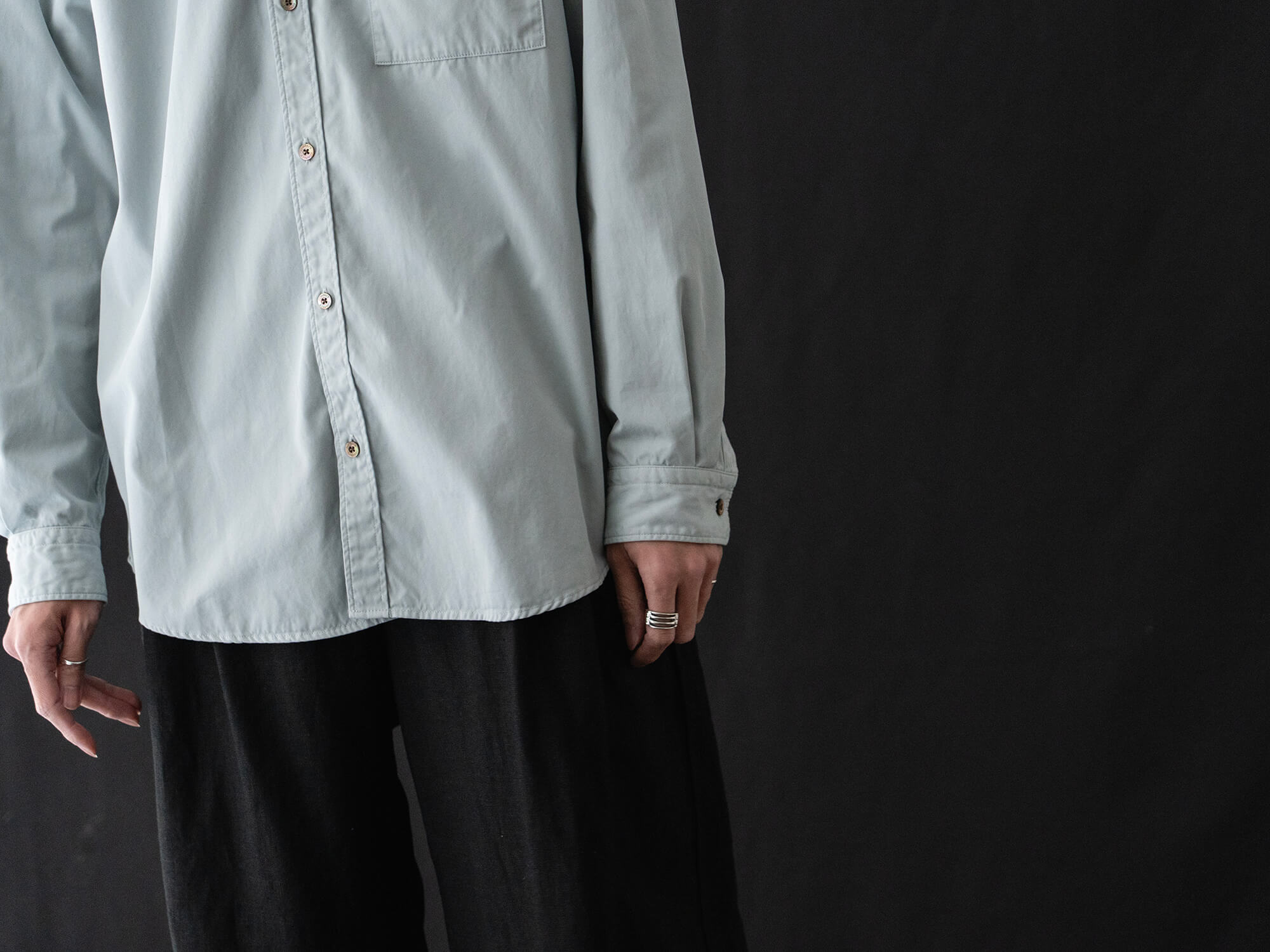
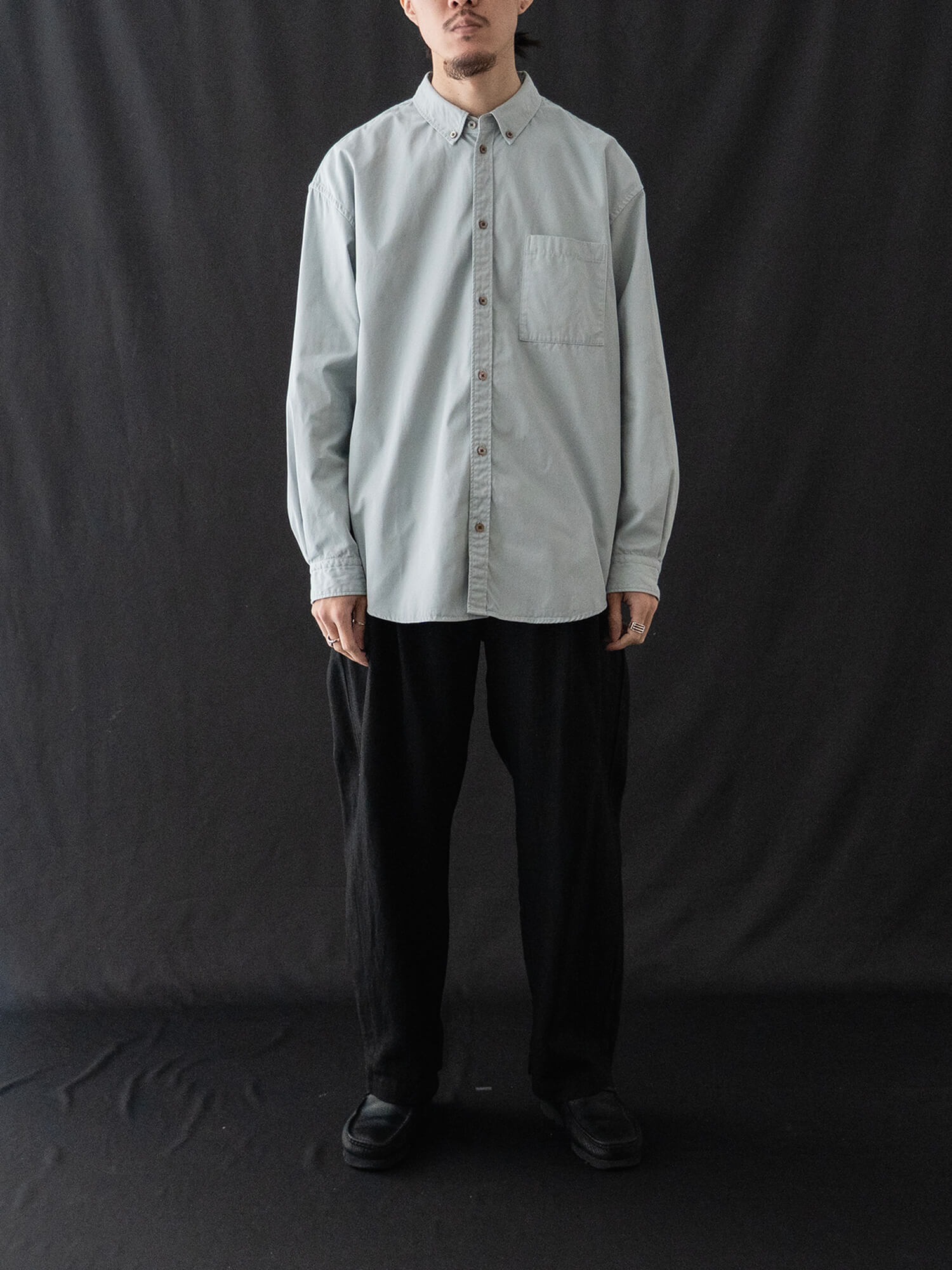
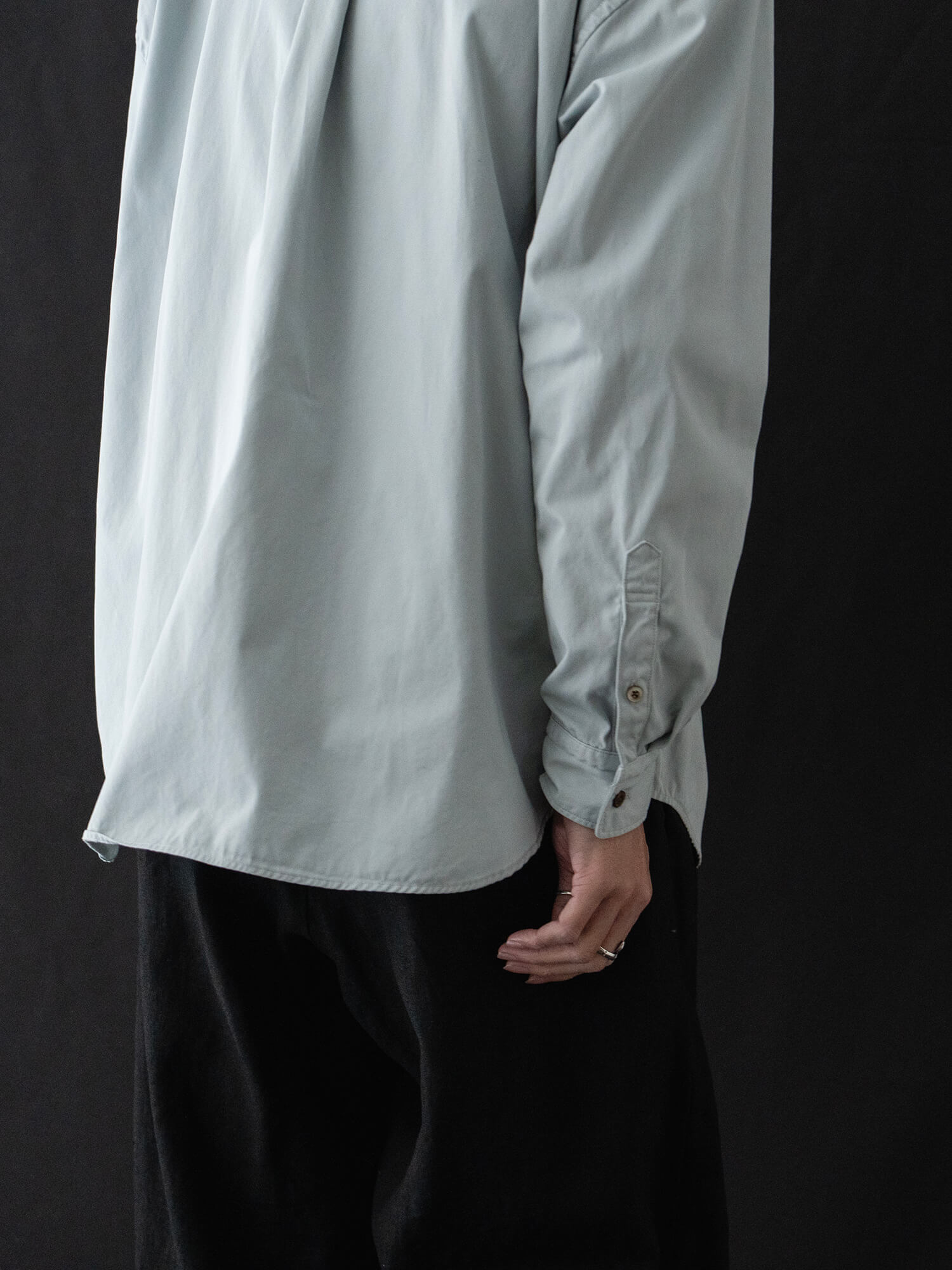
SHIRT - Nidom Finished Twill Button Down Shirt
TROUSERS - Linen Canvas Trousers
Yarn, dyeing, weaving, and finishing. Each process remains visible in the garment, continuing to evolve over time.
Five garments finished with the Nidom process. Two materials are used: an original herringbone fabric and a Supima cotton twill. From yarn selection to dyeing, weaving, and finishing, each step is carried out in Japan to bring out the inherent qualities of the material. The resulting textures are carried directly into the garments.
HERRINGBONE FABRIC
An original herringbone fabric developed for CONFECT. The warp uses triple-twisted compact yarn for a dense, clean surface, while the weft combines linen and cotton-silk to increase the linen ratio. Sulfur-dyed warp and reactive-dyed weft create variations in fading, adding depth over time. Finished with a Nidom bio process, the fabric retains structure while gaining softness and drape.
TWILL FABRIC
A Supima cotton twill with fiber lengths over 35mm. Light peach brushing introduces a subtle texture, followed by liquid ammonia and Nidom processing to refine the fibers and enhance softness. The finish balances a smooth surface with a natural, relaxed feel.
PROCESS
The Nidom process involves extended washing with mechanical movement. It softens high-density fabric while maintaining its structure, creating natural drape and surface variation. Rather than a final step, it functions as part of the material’s development.
GARMENTS
The materials are shaped into five garments, each designed to reflect their characteristics. Silhouettes and details allow the fabric’s movement and texture to emerge, evolving further with wear.
Nidom Finished Herringborn
Nidom Finished Herringborn Atelier Coat
style no : 02261-0001
size : 3,4
price : ¥81,400 taxin
→ Online Shop
Nidom Finished Herringborn Double Breasted Work Jacket
style no : 02261-0002
size : 3,4,5
price : ¥69,300 taxin
→ Online Shop
Nidom Finished Herringborn Work Trousers
style no : 02261-0003
size : 3,4,5
price : ¥47,300 taxin
→ Online Shop
Nidom Finished TWILL
Nidom Finished Twill Button Down Shirt
style no : 02261-0014
size : 3,4,5
price : ¥33,000 taxin
→ Online Shop
Nidom Finished Gabardine Utility Pants
style no : 02261-0030
size : 3,4
price : ¥44,000 taxin
→ Online Shop
STYLING
COAT - Nidom Finished Herringborn Atelier Coat
KNIT - Naturally Colored Linen Stripe Easy Fit Pants
TROUSERS - Nidom Finished Gabardine Utility Pants
JACKET - Nidom Finished Herringborn Double Breasted Work Jacket
SHIRT - High Count Linen Band Coller Shirt
TROUSERS - Cotton Linen Nep Chambray Twill Easy Trousers
SHIRT - Nidom Finished Twill Button Down Shirt
TROUSERS - Nidom Finished Herringborn Work Trousers
JACKET - Cotton Hemp Denim Jacket
SHIRT - Cotton Waffle Henry Neck Short Sleeve Knit Pullover
TROUSERS - Naturally Colored Linen Stripe Easy Fit Pants
SHIRT - Nidom Finished Twill Button Down Shirt
TROUSERS - Linen Canvas Trousers
Yarn, dyeing, weaving, and finishing. Each process remains visible in the garment, continuing to evolve over time.